What is a Rope Bunny?

Simply put, a rope bunny is someone who loves being tied up in rope bondage. You know those photos where people are wrapped in elaborate rope designs or hanging serenely mid-air? That person is probably a rope bunny (or rope bottom, same thing basically). The name sounds adorable and fluffy, which is kinda the point—rope bunnies are folks who genuinely enjoy rope play, and their experiences run the gamut from soft and sensual to wildly erotic, always built on trust, consent, and communication.
So what actually makes someone want to be wrapped up in rope? For many, it's not just about being immobile. It's about what that immobility feels like both physically and emotionally. The definition of rope bunny extends into a whole spectrum of experiences and motivations:
Curious about exploring bondage and restraint safely? The BeMoreKinky app now includes a free in-app Shibari training library with 26 video lessons (rope care, fundamental knots, single and double column ties, and core harnesses like the Shinju and Hishi Karada), so you can learn the foundations every rope bunny will encounter, alongside over 50 beginner-friendly bondage activities to try with your partner.
- Sensory Delight and Calm: Rope can feel like a warm hug or a firm grip, depending on how it's done. Some rope bunnies are highly sensory people—the texture of hemp or jute against skin, that gentle pressure wrapping around limbs, can send tingles through you.
For those with busy, anxious minds, being tied up provides an unexpected sense of peace. One self-described rope bunny on a BDSM forum shared that "being all tied up is like a vacation from my anxieties. The rope's embrace quiets my mind."
The act of surrendering to rope can induce a meditative "rope space", a floaty zen state akin to what some call subspace. Mollena Williams-Haas, a well-known BDSM educator, has often emphasized that kink can be grounding. And rope, by literally grounding you in place, can quiet the mental chatter and let you live in the moment.
- Erotic Thrill and Surrender: For others, rope bondage is a huge turn-on, full stop. The restriction of movement, the hint of "uh oh, I'm caught!" (all pretend and consensual of course) can get the adrenaline and endorphins flowing in delicious ways. You know those romance-novel scenarios—damsels (or dudes) in distress, fantasies about being at your lover's mercy? Rope play lets you actually do that.
The psychological excitement of power exchange, being the one held down while someone else has their way (within agreed limits), can intensify physical pleasure. Many rope bunnies say they find it mind-blowingly erotic when, for example, their partner ties them spread-eagle and teases them endlessly, or when they feel a hot breath on their neck as the rigger cinches the last knot. It's a playful "capture" fantasy come to life.
Importantly, as sex educator Jack Morin outlined in The Erotic Mind, when a bit of fear or taboo (like helplessness) is combined with trust and desire, it creates a high-octane erotic cocktail. Rope scenes blend vulnerability with security in a way that really cranks up the heat.
- Expressing Submission (or Not!): A rope bunny can use bondage to express their submissive side. For those who identify as submissives, there's often a powerful symbolic aspect to being tied. Every strand of rope is like a visible sign of "I'm willingly giving up control to you." It can amplify feelings of surrender and devotion toward the rigger or Dominant.
A submissive rope bunny might melt when their Dominant binds them and says, "Good girl/boy, stay just like that." It's a tactile way to communicate authority and obedience without a word.
However, and this bears repeating, you don't have to be "submissive" in personality to love rope. Some folks who are utterly in charge in daily life crave the escape of letting someone else steer for a while, and rope is the tool to achieve that. Others might not resonate with D/s power dynamics at all but still enjoy rope as recreational fun or art. So while many rope bunnies are happy submissives, others might chuckle, "Nope, I just like rope, period." The common thread isn't submission per se, but enjoyment of restraint.
- Art and Aesthetics: Rope bondage (especially the Japanese style known as Shibari or Kinbaku) is undeniably an art form. Some rope bunnies love being the canvas for their rope-artist partners. The intricate patterns, decorative knots, the visual of a human form woven with rope—it can be stunningly beautiful, and not always sexual. Sometimes it's creative expression and connection.
The experience can be like performance art or intense body-focused yoga. There's pride and pleasure in helping create a living sculpture with your body. In fact, noted kink author Midori, famous for her rope teachings, often highlights that rope is "about the journey and the connection, not just the knots." The rope bunny and rigger together create something visually and emotionally artful.
Many rope bunnies gush over how gorgeous the rope makes them feel, embraced and displayed. And let's be honest, a bit of showing off can be fun: those crisscross marks left on the skin after rope play (so-called "rope kisses") are often worn with pride, like temporary tattoos of a wild adventure.
In sum, the rope bunny definition centers on someone who enjoys being tied up with rope, but the meaning goes so much deeper. Rope bunnies often speak of feeling free, cared for, and connected when they're all tied up. As one Reddit user cheekily put it, "When I'm bound and I trust the one tying me, I feel free to fly in my mind." That captures it well. Done right, rope bondage can feel like flying, even as you lie there safely bound on the ground.
Getting Started as a Rope Bunny

So you're intrigued by the idea of becoming a rope bunny—maybe you're picturing yourself wrapped in ropes, feeling that calming tightness or thrilling helplessness. How do you go from curiosity to reality? Here's a friendly, step-by-step guide to help you hop into your first rope experiences with confidence:
1. Self-Exploration and Education: Like any kink, it's wise to learn a bit about it first. Think about what kind of rope play appeals to you—are you drawn to artsy Shibari styles (beautiful patterns, slow and ritualistic), or the straightforward "tie me to the bedposts" for some spicy fun? Maybe both!
Read articles (hey, you're doing it now!), watch some educational videos, or listen to rope bondage podcasts. There are great books and resources too. "Seductive Art of Japanese Bondage" by Midori is a classic for understanding Shibari aesthetics, and Jay Wiseman's "Erotic Bondage Handbook" is a fantastic primer on technique and safety.
Even as the one being tied, knowing basics about rope and bondage helps keep things safe, and if you're newer to the wider scene our beginner's guide to BDSM covers the groundwork. Ask yourself: what do I want from being tied? The calm floaty feeling? The sexual thrill? The visual beauty? All of the above? Clarifying this will help you communicate with any potential tying partners, your riggers.
2. Find a Willing Partner (Rigger): Rope is a two-person dance (usually, self-tying is an option we'll mention shortly). Many aspiring rope bunnies start with an existing partner—talk to your significant other or a trusted friend who might be interested in learning rope with you. You might be pleasantly surprised that your girlfriend, boyfriend, or spouse has wanted to try tying you up if you'd just asked. If you already have a dominant partner, bring up rope scenes.
No partner at hand? The BDSM community is welcoming to newcomers who are upfront about their interests. Consider attending a munch or a local rope event.
A munch is a casual social gathering of kink enthusiasts (usually held in vanilla public places like cafes or bars, everyone just dresses normal and chats). It's a great place to meet people in a low-pressure setting and mention "I'm curious about rope bondage, I think I might be a rope bunny looking for a rigger friend to practice with."
There are often specific rope-focused events known as "rope jams" or "Shibari workshops" where people meet specifically to practice tying and being tied. Just make sure you feel comfortable and don't rush into being tied by someone you barely know until you've established basic trust. Online, you can also connect via communities like FetLife (a social network for kinksters) and look for local rope or Shibari groups.
3. Start Slow & Simple: When you have someone eager to tie you (yay!), start with simple ties to get the feel. The first time you experience rope, it's wise to keep it easy. Maybe have your hands tied in front of you, or a basic wrist-to-headboard tie. This way you can focus on the sensations and emotions without contorting into a crazy position right off the bat.
You'll discover quickly how your body reacts. Are you like one of those anxious folks whose brain suddenly goes quiet once the rope coils around your wrists? Do you get a happy flutter in your belly when you realize you can't pull free? Communicate what you feel to your partner. It helps them learn what you enjoy.
A good rigger will likely check in: "How are you feeling? Color okay?" (Color check is often used, like "green" for all good, "yellow" for caution, "red" for stop. We'll discuss safewords soon). Early on it's normal to feel a little awkward or giggly—that's totally okay! Give yourself permission to play and experiment. You don't have to perform or be a "perfect submissive," you're there to have fun!
4. Learn the Ropes (Literally): A big part of starting out is learning the practicalities. Even as a rope bunny, knowing a few bondage basics will help you stay safe and get the most out of it. For instance, you'll learn that some parts of the body are rope-safe (like thighs, hips, shoulders) and some are more risky (like the neck or the inside of upper arms where nerves run).
You'll learn about choosing the right rope for Shibari, that rope shouldn't be too thin (which can cut circulation), and that a sharp pair of safety shears nearby is a must for any rope scene (in case you need to cut free quickly).
A wonderful way to learn is to attend a rope class or workshop. Many cities have classes for beginners where you (as the bottom) can go with a partner, or sometimes individual rope bunnies attend and pair up with vetted riggers to practice simple ties. These workshops teach things like a basic cuff tie, a chest harness, or how to use a blindfold with rope for extra sensation. If a local class isn't an option, our free Shibari video training walks you and your rigger through the same foundations (knots, single and double column ties, and beginner harnesses) at your own pace. Plus, they emphasize communication. **
5. Practice Active Bottoming: One thing that might surprise you is that as a rope bunny, you're not expected to just lie there in silence (unless that's your specific kink dynamic). Active bottoming means you participate in the scene even while tied—give feedback ("mmm, that feels amazing" or "the rope on my ankle is a bit tingly, let's adjust") or use non-verbal cues (moans, body language) to let the rigger know how you're doing.
When you're new it's good to have a running dialogue with your top—let them know if something is too tight, or if you crave a bit more pressure somewhere. Seasoned BDSM folks often say "The bottom is the one really in control", meaning your well-being is the priority, and you have the ultimate say in stopping or changing things. So speak up. A true partner will appreciate it. If you feel shy, remember that any experienced rigger expects to communicate.
6. Experiment and Discover Your Preferences: Perhaps you try a few rope scenes and discover you absolutely love, say, chest harnesses but don't enjoy having your legs tied too tightly. Maybe you realize a blindfold and rope combo sends you to the moon (sensory deprivation can amplify everything). Getting started is all about discovering what kind of rope bunny you are—some become total rope addicts wanting to try all the fancy suspensions, others keep it playful and light, using rope occasionally as a prelude to sex or roleplay. There's no right or wrong, only what excites you. Pay attention to your body's signals. Always keep things safe and negotiated, especially as you branch out (we'll cover safety in detail next).
7. Solo Exploration (If Desired): What if you don't have a partner yet or just want to feel rope on your body? Believe it or not, you can tie yourself up in simple ways. This is called self-bondage. It must be done carefully (never lock yourself in a predicament you can't get out of alone, safety first!).
But a mild form of self-tying can be as easy as wrapping a soft rope around your thighs and tying a knot, or doing a basic chest harness on yourself (many online tutorials for self-tying exist). This can give you a taste of the pressure and restriction. Some rope bunnies do this to practice how long they enjoy being tied or how tight feels good.
It's also kind of sexy to bind yourself lightly while fantasizing. Just remember, never do solo rope that could endanger you if you can't untie quickly.
Before you dive into complicated knots, let’s familiarize you with some common rope bunny positions and ties you might encounter. It’s always nice to know what to expect (and what to request once you know what you like!).
Common Rope Bunny Positions to Know
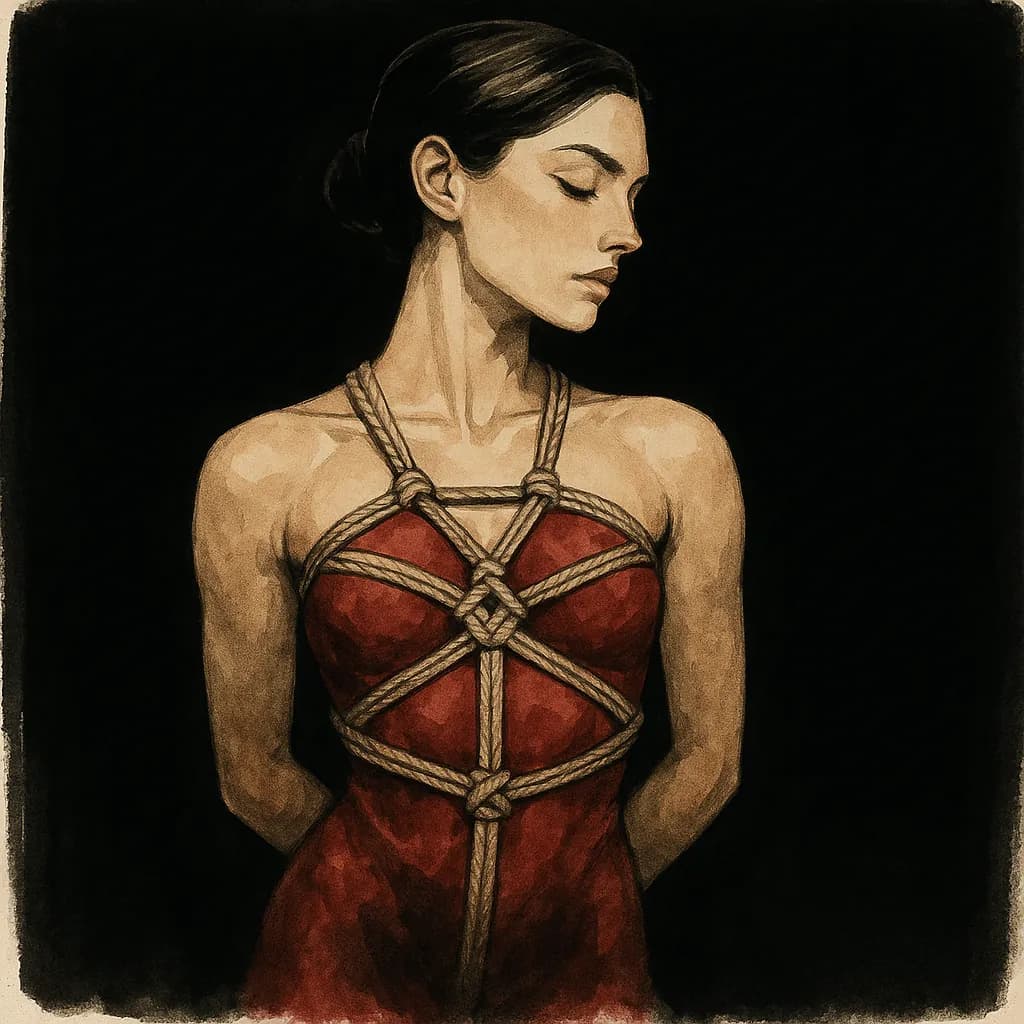
One of the joys of rope bondage is the sheer variety of positions and ties you can experience. From classic damsel-in-distress setups to artistic Shibari poses, there's a whole repertoire. As a rope bunny, you don't need to know how to tie these, but knowing the names or styles of a few common rope positions will help you communicate with your rigger (and understand what others are talking about when they gush about that gorgeous futomomo or stringent hogtie!). Below are some popular rope bunny positions and bondage ties that many bunnies adore:
-
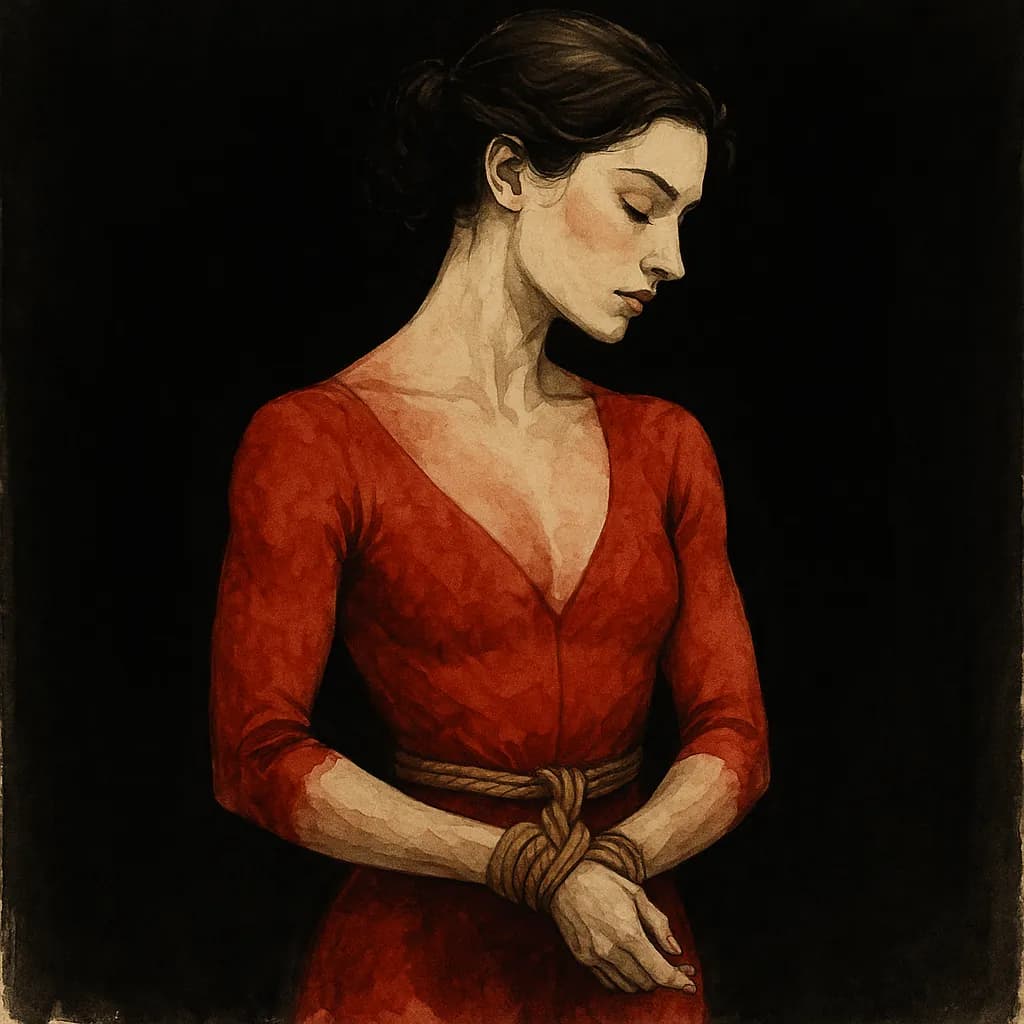
Hands Tied (Wrist Bindings): The simplest and often the first thing newbies try. Your wrists can be tied in front of you or behind your back—don't underestimate how much even a basic wrist tie can shift the dynamic. When your hands are bound, you immediately feel it.
-
Spread-Eagle: A classic for those who like a mix of rope and helpless exposure. In a spread-eagle your limbs are tied apart, usually to the four corners of a bed or anchor points—picture lying on your back, each wrist and ankle secured to a different post, splayed out like an "X".
-
Hogtie: This is a famous bondage position and a favorite in many rope scenes. In a hogtie, your wrists and ankles are tied behind your back, often connecting to each other (imagine being on your belly with wrists tied to ankles so you're sort of arched). For rope bunnies who love a bit of struggle, the hogtie is gold—it's a snug, helpless pose where you really can't move much at all. It often looks more uncomfortable than it feels (if done right). Some bunnies enjoy trying to wriggle free (knowing they can't), which can be a playful part of the scene. For more bondage techniques, check out our complete bondage equipment guide.
-
Frog Tie: Despite the name, you won't turn green or start ribbit-ing. A frog tie involves tying each leg in a bent position so it's kind of squat-shaped like a frog—your ankle gets tied to your thigh (on the same leg) with rope, creating a froggie leg that can't straighten. You can have one or both legs frog-tied.
-
Chest Harness (Shibari Harness): One of the iconic rope bondage techniques is the chest harness, often in the style of Japanese Shibari. The most well-known form is the Takate-Kote (TK) or box tie, where the arms are brought behind the back, elbows bent, and rope is woven in bands around the chest and arms, creating a sort of rope "jacket".
This tie is common in Shibari and is a foundation for many suspensions. Having a nicely tied chest harness can feel like wearing a custom-made corset of rope—constant pressure around your torso in a way that many find comforting and hot.
- Suspension Positions: For the adventurous bunnies, rope can quite literally take you off the ground. Suspension involves being partially or fully suspended in the air by ropes—you might see someone in a horizontal suspension, ropes supporting their chest and hips so they float a few feet above the floor, or even hanging upside-down like a bat (advanced and intense!).
Suspension is often the holy grail many rope bunnies aspire to, because it can feel like flying, truly a one-of-a-kind sensation.
However, it's also advanced and carries more risks, so it should only be done by riggers who have significant experience and training (and with all safety precautions in place). As a newbie rope bunny, you probably won't start here, and that's good, because your body needs to build up to tolerating suspension ropes, and you need a very trusted rigger. But I mention it so you know where rope play can go.
Suspensions can be mind-blowing. Many rope bottoms describe a euphoric rush in that moment their body leaves the ground, entrusting the ropes and rigger entirely. Maybe start with a partial suspension (e.g., only hips off the ground, or just chest lifted, while other parts supported). Remember, safety first. Never rush into a suspension. When you're ready and with the right top, it could be the thrill of a lifetime.
- Predicament Ties and Unusual Positions: Beyond the standards, there are endless creative ties. Predicament bondage is a style where the rope bunny is tied in a way that any movement causes a bit of discomfort or forces a dilemma (for example, tied in a semi-squat: if you stand up it pulls one way, if you squat lower it pulls another). Some bunnies enjoy the game of trying to hold a position to avoid triggering the "predicament". Objectification ties can have you bound to furniture or turned into "furniture" (like tied in a position as a human chair or footstool, purely if that power dynamic intrigues you).
One more thing on positions: duration matters. A position that feels fine for 5 minutes might become painful at 30 minutes. Good riggers will check in and possibly adjust or untie/re-tie to allow you to move. As a rope bunny, don't try to "tough out" a position beyond what's safe. Your circulation and joints will thank you.
It's no fun to be overly sore (or injured) the next day. There's a saying among rope enthusiasts: rope is 50% discomfort and 100% bliss, which is a tongue-in-cheek way to say yes, some ties are uncomfortable, but weirdly you might still love them. It's okay to enjoy a bit of strain as part of the fun (some bunnies love the ache of a challenging tie; it can even lead to endorphin highs). Just be sure it's the right kind of discomfort and not actual harm.
Safety and Communication for Rope Bunnies
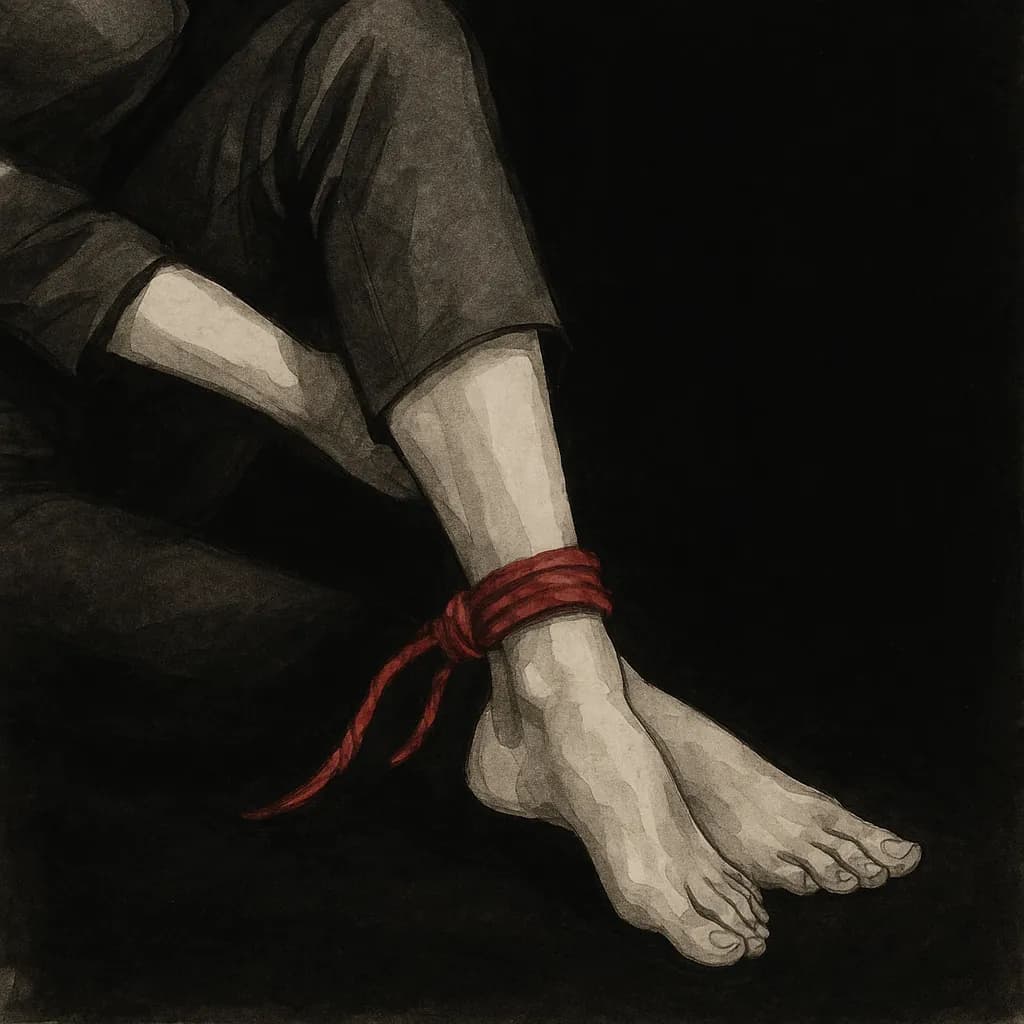
Being a rope bunny can put you in vulnerable positions (literally and figuratively), so safety and communication are absolutely paramount. Remember, BDSM's golden rule is Safe, Sane, Consensual (SSC) or the newer Risk-Aware Consensual Kink (RACK). What this boils down to is: know the risks, agree to them, and look out for each other throughout. Here's how rope bunnies (and their riggers) can keep things safe and sexy:
Educate and Communicate Before Play: Safety starts before the ropes come out. Have a thorough conversation with your potential rigger about boundaries, health issues, and expectations. This negotiation phase is non-negotiable! Discuss what body parts are off-limits for rope or touch. For instance, you might say, "No rope around my neck, that's a hard limit," or "I had a shoulder injury last year, so please avoid putting weight on my left arm." Be honest about your health: circulation issues, joint problems, or if you're prone to panic attacks or claustrophobia in tight spaces.
Set Safewords and Signals: Even if you'll be mostly quiet or gagged during play, you need a way to communicate in case of any issue mid-scene. Enter the safeword, a predetermined word that, when said, means "Stop immediately" or "Slow down, check in." Common safewords are "red" for stop, "yellow" for caution/adjust, and "green" for go/yes more. These work well because they're easy and already widely used in kink.
Monitor Physical Safety: Rope Do's and Don'ts. There are specific safety concerns unique to rope bondage. Nerve compression is a big one. Unlike metal handcuffs that might hurt bones, rope is more insidious because if tied incorrectly it can put pressure on nerves and you might not realize it until numbness or injury occurs.
A common example is the ulnar nerve in your arm (funny bone area). A bad wrap in a wrist tie or chest harness can press on it, causing tingling in your fingers.
As a rope bunny you gotta speak up at the first sign of tingling, numbness, or sharp pain. It's far better to pause and adjust the rope than to risk nerve damage (which can sometimes be serious, like wrist drop that lasts days or weeks). Circulation is another: cold or purple fingers/toes mean the rope is too tight or positioned poorly. Experienced riggers will routinely check your hands and feet for temperature/color.
Jay Wiseman, in his safety teachings, always advises tops to slip a finger under every wrap to ensure it's not too tight and to have safety shears ready always. Rope scenes can get intense, but you should never feel like you're actually in danger. "Good pain" (like a bit of rope bite or stretch) is one thing, but bad pain (sharp, burning, or alarming) is a no-go.
Avoiding Big No-Nos: Some quick rope safety guidelines every rope bunny (and rigger) should know: Never allow rope around your neck unless you explicitly consent and the rigger is extremely experienced. Even then, neck rope is advanced and dangerous (risk of asphyxiation or carotid artery compression is real). Many rope lovers simply say no neck ropes at all. Also, avoid rope pull across the chest for anyone at risk of breathing issues. Tight chest bindings can make it hard to breathe if the person is in distress or certain positions. Know that suspensions carry higher risk of falls or serious injury. Double-check every knot and trust only skilled riggers for that.
Consent Every Time: It should go without saying, but I'll say it loud and clear: consent is continuous. Just because you loved being tie-up and tickle-tortured last week doesn't mean you automatically consent to it today in the exact same way. Each scene is a new agreement.
As a rope bunny, you have the right to adjust your consent. Maybe one day you're okay with some light spanking while tied, another day you're not in the mood for pain at all and just want soft rope and cuddles. Communicate that.
Good partners check in freshly: "Are you up for doing this tie tonight? Still okay if I X, Y during it?" One thing to be cautious of: sometimes rope bunnies (especially new ones) worry that using safewords or changing limits will disappoint their rigger. Erase that thought. Any top who acts disappointed or pushes you for withdrawing consent is stepping into non-consensual territory. Not cool. Healthy BDSM requires that no is always an acceptable answer, stop is respected immediately, and enthusiastic consent is the baseline.
During the Scene: Staying Connected. While you're in rope you may drift into "rope space" (that floaty zone) and get quiet—that's okay if it's what you want, but be sure your top is closely monitoring you. A good rigger will be checking your breathing, temperature, and will ask you questions occasionally.
If you can't form words (maybe you're gagged or just in la-la land), they might say "squeeze my hand if you're okay." You squeeze to signal all good. This kind of active monitoring is a vital safety practice.
As a rope bunny, try to keep a tiny corner of your brain on self-check: are my fingers okay? Can I wiggle my toes? How's my headspace? If something feels off, pipe up with whatever method you can. You might say "yellow" if you just need a quick adjustment or break. Or you may need a full "red" to stop because perhaps a panic feeling sprang up—that can happen, bondage can sometimes trigger unexpected emotions like panic or flashbacks even if everything is consensual and safe. Our brains are funny like that.
Never feel guilty for calling a stop. You can always try again another time; there's no rush to endure. In fact, Dossie Easton (one of the authors of The New Bottoming Book) encourages bottoms to view safewords as a tool of control for the bottom: you get to set the pace and endpoint. After your scene, make sure to engage in proper BDSM aftercare to help process the experience emotionally and physically.
Stay tied and stay safe! Here's to many cozy, thrilling moments in ropes.