No Bra Club: Meaning, Communities, Apparel, and Where to Find It
“No Bra Club” isn’t a registered organisation. There are no membership fees and no secret handshake (although honestly, if someone wanted to start one, I’d be first in line). It’s shorthand: a way of saying I’ve ditched the bra and I’m not apologising for it.
But the phrase has been claimed by different people in very different ways. It’s a community identity, with women (and others) using #nobraclub across Instagram, TikTok, and various forums to signal solidarity, a casual sisterhood bound by the shared revelation that bras are, for many of us, an overrated torture device we’d been conditioned to believe we needed. It’s the name of actual online communities, specifically a Quora Space and a Facebook Group, both dedicated to the bra-free life. These range from supportive and wholesome to decidedly adult, which I’ll get into shortly. It’s a clothing brand: an apparel line selling crop tops, tees, and loungewear with “NO BRA CLUB” printed across the chest in unapologetic block letters. Their white crop tops famously become see-through when wet, which tells you everything you need to know about where the brand positions itself: comfort with a side of dare.
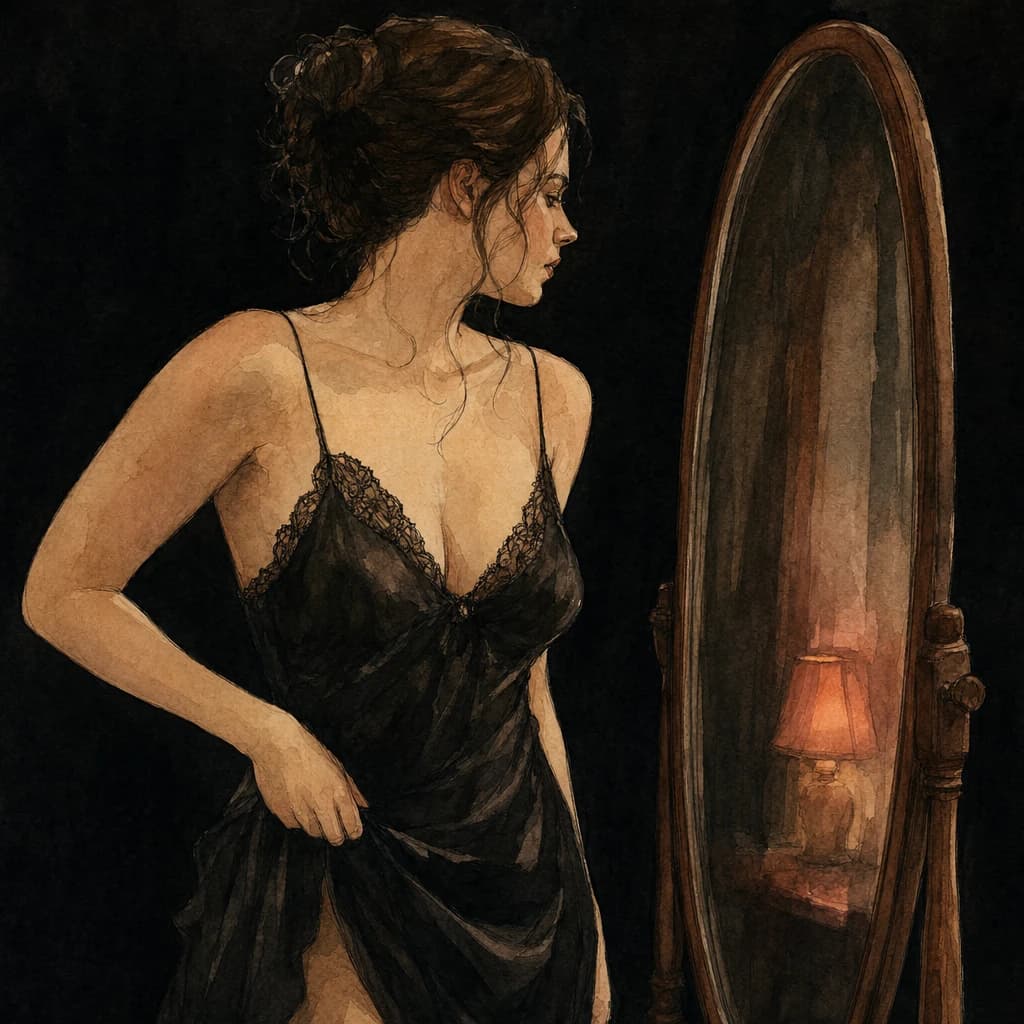
And it’s a broader cultural moment. The pandemic sent millions of us working from home in soft clothes, and a lot of us never went back to underwire. Why would we? That shift, combined with ongoing body-positivity movements and the #FreeTheNipple campaign, meant a phrase like “No Bra Club” was always going to stick. Body-positivity itself is messier than the slogan version: researchers have found popular Instagram accounts mixing body-appreciation themes with appearance-focused imagery, while discourse work splits the movement into mainstream, fat-positive, radical, and body-neutral frames. The phrase just gave the feeling a name.
The Quora “No Bra Club” Space
Quora usually puts its “No Bra Club” Space near the top of the results. It’s marked adult content, so you have to be logged in and over 18 before Quora lets you in. The tagline is straightforward enough: ”The place to be for girls who don’t wear bras.”
With over 7,000 followers and more than 400 contributors, it’s not some abandoned corner of the internet. People are actively posting: sharing stories, asking questions, swapping experiences about going braless in various situations. Some of it is earnest and practical (”How do you deal with going braless at work?”), and some of it leans into more sensual territory (”What’s the boldest thing you’ve done without a bra?”). The adult label tells you what the moderation allows, and this isn’t strictly a support group. There’s an exhibitionist streak running through parts of it, with posts that blur the line between body confidence and erotic thrill.
And honestly? Fine by me. Those two things aren’t as far apart as people like to pretend they are. I know from experience, in other areas of my life where body, identity, and sexuality intersect, that the freedom to make a choice about your own body can feel empowering and sexy at the same time. One doesn’t cancel out the other. Trying to force people to pick a lane, as in are you doing this for empowerment or for sexual reasons?, is reductive. No one demands to know whether you wear a push-up bra for feminist reasons or sexual ones. A 2026 study on public bra-wearing and bralessness treats it as a social signal people read through attractiveness, sexual openness, fidelity, and harassment concerns, which is a very dry way of saying everyone brings baggage to a visible chest. Strange how that works.
The Facebook “No Bra Club” Group
Facebook’s version is a different beast entirely. The No Bra Club Group has nearly 10,000 members and, crucially, it’s public. As in, anyone can see who’s in it and what gets posted. Your aunt. Your colleagues. That person from school you forgot you’re still friends with. They could all, theoretically, see that you’ve joined the No Bra Club on Facebook. Something to bear in mind before you hit that join button; we’ll talk more about privacy later.
The tone here is lighter and more body-positive than the Quora space. Memes about ripping your bra off the moment you walk through the front door. Selfies with genuinely supportive comment sections. Tips about outfits that work well without a bra. The occasional celebratory ”Day 365 of no bra!” post with fifty people piling into the comments with encouragement. It’s the cheerful end of the bra-free spectrum, and there’s something quite lovely about that: a space where people who’ve quietly made a choice that society still side-eyes can go and feel normal about it. There have been online events organised within the group too, so it’s more than just a passive scroll.
If that sounds like your thing (casual, community-driven, more Instagram energy than Quora confessional), it’s worth a look. Just mind the visibility issue. If you wouldn’t want your employer seeing your name attached to “No Bra Club,” think twice about joining with your main account, or at least adjust your privacy settings first.
The NO BRA CLUB Apparel Brand
Then there’s the brand. For a lot of people, this is where they first encountered the phrase. Around 2018, No Bra Club’s signature white crop tops, slogan printed in bold across the front, went viral on Instagram. Women posted photos in the tiny white top, very obviously braless underneath, and the internet did what the internet always does with that sort of thing: lost its collective mind. Even Maxim magazine covered the trend. What many assumed was a spontaneous movement turned out to be a fashion brand riding the zeitgeist, and riding it well.
The official store lives at thenobraclub.com, reportedly started from a basement with a stack of t-shirts and an idea. Their tagline is ”celebrating women,” which is vague enough to encompass both the body-confidence angle and the we-know-exactly-what-we’re-selling angle. And let’s be honest about what they’re selling. Their clothes are designed to be worn without a bra, with soft fabrics and relaxed fits, but they’re also designed to make that braless fact visible. The signature crop tops are white, lightweight, and as the product descriptions cheerfully note, ”transparent when wet.” That’s not an accidental feature; it’s the selling point.
That comfort/provocation overlap shows up in kink data too: among BeMoreKinky app users who answered, 87.1% said yes to wearing provocative clothing in private, with another 7.7% in the maybe camp. The “look at me, but on my terms” current is not exactly niche, and it runs through plenty of clothing-based power play too.
I actually respect the honesty of it. So much of the fashion industry dresses up sexiness in euphemisms and then acts shocked, shocked!, when anyone points out the obvious. This brand just… says it. Here’s a white crop top. You won’t be wearing a bra under it. It goes see-through when it gets wet. You know what you’re getting. The academic version is less fun but basically agrees that clothing gets read as sexual information, and that those readings can slide into objectification and ugly judgments about the wearer.
They’ve leaned into sustainability too: organic cotton, bamboo fabric, recycled materials, made in Australia. So you can feel good about the environment while wearing a shirt that leaves very little to the imagination. Everyone wins, arguably.
Body-Confidence Phrase vs. Adult Community Signal
This is the bit I actually care about, and where I think a lot of the hand-wringing about this topic misses the point entirely.
“No Bra Club” changes shape depending on who’s saying it and where. Sometimes it means comfort and feminism. Sometimes it means, yes, I know you can tell. Facebook mostly lives in the first camp. Quora makes room for the second, where posting a braless photo edges toward invited witnessing on camera. The brand, sensibly, takes money from both.
People keep trying to split empowerment from sexuality, like one spoils the other. It doesn’t. Susie Bright and Carol Queen have spent careers arguing that women’s bodily freedom includes sexual freedom: that you don’t have to choose between feeling comfortable and feeling sexy. The feminist case for ditching the bra doesn’t suddenly become invalid the moment someone also finds it a turn-on. I’ve written about similar territory in other contexts, about the way people try to neatly separate the ‘acceptable’ reasons for a choice from the ‘sexual’ ones, as if acknowledging that something feels sexy somehow contaminates its legitimacy. That split is nonsense. There is a boring-but-useful wellbeing angle here too: a 2026 systematic review found self-esteem and body image were generally linked with sexual satisfaction, though gender, orientation, and communication shaped that relationship. Feeling at home in your body is not a trivial side quest.
When I read Big Big Love by Hanne Blank, I was struck by how cleanly she names the mechanism behind so much bodily discomfort: "People of all sizes often end up going through a great deal of confusion, frustration, pain, guilt, and unhappiness in their sex lives simply because they've been conditioned to believe that their bodies are unacceptable, unsexy, and undesirable the way they are." Blank writes about fat and body size specifically, but the logic maps directly onto the bra situation: the garment doesn't exist in a vacuum, it's bound up in a whole story we've been told about which bodies need correcting, containing, or apologising for. Ditching the bra is, among other things, opting out of that story.
Psychologist Jack Morin described arousal as partly driven by violating expectations; his concept of ”Attraction + Obstacles = Excitement” suggests that doing something mildly taboo (like visibly going braless in a world that expects you not to) can generate its own erotic charge. Dossie Easton makes a similar point about the thrill of the “forbidden”: ”Some people don’t want things all clean and nice… they have more fun just getting dirty.” Going braless sits in that funny little gap: ordinary enough to do at the supermarket, disobedient enough to make you aware of your own skin. Tiny rebellion. Very repeatable.

A woman posting confidently in a sheer top with nothing underneath is saying, at minimum, “this body is mine.” She may also be saying, “and I know exactly how this looks.” People are complicated. We contain multitudes. Sanitising the “No Bra Club” concept into pure body-positivity, stripped of any sexual dimension, would be dishonest, while reducing it to pure exhibitionism would be dismissive of the people who genuinely just want to stop wearing an uncomfortable garment.
What matters is context and consent. In the Facebook group, don’t assume everyone’s there for sexual kicks; plenty of people just want to commiserate about underwire marks and share outfit tips. In the Quora space, don’t shame someone for finding the topic arousing. Both responses to bralessness are valid. Read the room.
As sex-positive icon Betty Dodson put it: Freedom is sexy. Going braless is a literal freedom. Maybe that is enough. Maybe the little jolt of sexiness is part of why you like it. If that bothers you, I’d sit with the discomfort for a minute.
Quick FAQ about “No Bra Club”
Q: Is “No Bra Club” an actual club I can join? A: Not in any formal sense. There are no fees and no membership cards. The phrase describes a shared identity that’s been picked up by online communities, a clothing brand, and a social media hashtag. You “join” by simply not wearing a bra and, if you fancy, engaging with one of the platforms that uses the name.
Q: Is it the same as No Bra Day? A: Nope. Think annual breast-cancer-awareness date, not this year-round internet identity. No Bra Club is looser: community in one place, brand in another, hashtag somewhere else, and also just the everyday refusal to put the damn bra back on. The two overlap online, but don’t mean exactly the same thing.
Q: Where do I buy the official No Bra Club merchandise? A: The official store is thenobraclub.com. Poshmark and Etsy are worth checking, but read the listing properly; some pieces are official, and some are plain tees wearing a borrowed slogan.
Q: Is going braless bad for you? A: There isn’t a clean medical answer here. One small 2013 French study got a lot of attention for suggesting bras might not prevent sagging and might even weaken chest muscles, but it was too limited to treat as gospel. Most medical professionals say it comes down to personal comfort, which is refreshingly simple advice from a field that rarely gives simple advice about women’s bodies. If going braless feels good, do it. If a bra makes running, working, or simply existing easier, wear one. Neither choice needs a medical thesis behind it.
Q: Will anyone notice? A: Maybe. It depends on the room and the shirt. Maybe that bothers you; maybe you find out you don’t care as much as you thought. Many people in the No Bra Club communities report that most people either don’t notice or don’t care nearly as much as you’d expect. The first few times can feel loud in your own head. Then, usually, it gets boring.
Q: Is it a feminist thing or a sexual thing? A: Yes. Depends who you ask. The idea that those two answers cancel each other out is, frankly, part of the problem. For some people it’s purely comfort. For others it’s sexiness and freedom. For plenty of people it’s both at once. That is allowed.