Why Am I So Horny?
"Why am I this horny all the time?" If you've ever caught yourself thinking this, at the worst possible moment, naturally, like halfway through a work meeting or while your mum's on speakerphone, welcome. Nothing about that makes you broken. It does not make you a freak either. It makes you a person with a body that occasionally has dreadful timing.
I've been there. I've been right there, staring at the ceiling at 2am wondering if there's something wrong with me or if I'm just… built like this. The truth is, our sex drives aren't neat little dials we can set to a socially acceptable level and forget about. They're messy, unpredictable, and influenced by everything from what you ate for breakfast to whether Mercury is in sodding retrograde. (No, I am not giving Mercury medical authority here.)
Being Horny A Lot Can Be Normal
Let's get this one sorted right now: feeling horny frequently is usually completely normal. Libido exists on a spectrum, and it's a wide one. Some people can go weeks without a sexual thought drifting across their consciousness; others feel a spark at the slightest provocation: a brush of fabric, a particular scent, a passing thought that spirals wildly out of control before you've even finished your morning coffee.
Sex educator Carol Queen often reminds us that there is no one "right" level of desire; variation is the norm. What actually matters is whether you feel comfortable with it and whether your high arousal is causing you problems or distress. Not whether it matches some imaginary average. Emily Nagoski makes a distinction in Come As You Are that I find genuinely helpful here: some people have spontaneous desire that arrives out of nowhere, while others have responsive desire that only surfaces in a genuinely erotic context. Both count. If your desire spikes when the conditions are right rather than randomly, that's not dysfunction; that's your accelerator having preferences.
Libido has appetite energy: greedy one day, absent the next. A high sex drive is not a moral failure. Betty Dodson spent decades telling people to stop treating sexual feeling like contraband, and she had a point. She called masturbation "our first and natural form of sexual activity" for a reason. Being turned on a lot is not proof that something has gone wrong. It might just mean you have a naturally larger appetite for erotic pleasure, and honestly? Your body was built for it.
Research backs the boring answer: desire varies with age, relationship status, relationship satisfaction, sexual orientation, children, recent childbirth, and other very ordinary life variables. One large population study found these factors explained a meaningful chunk of desire differences, which is a fancy way of saying libido is not a personality verdict. It is partly your life circumstances talking through your body.
Unclench a bit. Horniness is often just your body asking for pleasure, closeness, relief, or some strange combination of the three. It can even be a sign of good health: hormones firing properly and blood flowing where it should.
Still, being constantly aroused is tiring. If you just need to take the edge off in the moment, there are calmer ways to stop being horny without the shame spiral. If work, sleep, or your behaviour around other people is getting pulled into it, pause. Don't make it a morality drama; check what changed and whether you still feel able to choose.
What Changed Recently? A Quick Way to Identify Possible Triggers
One of the fastest ways to work out why your libido has suddenly gone feral is to ask yourself what's changed in your life recently. I've found this exercise surprisingly useful; our bodies and minds respond to all kinds of shifts, often in ways we don't immediately connect to sex. Here are a few areas worth sitting with:
Biological changes. Has anything shifted with your hormones or body? A particular point in your menstrual cycle? Could you be pregnant? Starting or stopping medications or supplements? Even subtle hormonal shifts can tweak desire significantly, and by "tweak" I sometimes mean "launch into the stratosphere."
Lifestyle changes. This one is unsexy but worth asking. Are you sleeping more? Eating actual meals? Moving your body after weeks of not moving much? I hate how often the dull answers are the right ones. Train harder or finally sleep through the night and your body may suddenly have energy to spend. A tired body often has very little interest in sex; a rested one can be embarrassingly keen.
What's happening romantically? Are you falling in love or starting something new? New relationship energy is a well-documented lust accelerant: those early days where you can't keep your hands off each other are intoxicating for very real biochemical reasons. A breakup or a dry spell can do the annoying opposite thing and make you want sex more. The body is nothing if not contrary.
The context is finally hot. Sometimes you're not "randomly horny" at all, you're responding to a setup your nervous system actually likes. BeMoreKinky's pleasure data points in that direction: anticipation, a partner's voice or sounds, watching a partner touch themselves, affectionate touch, and the chance to see their face and body all show up as strong arousal cues. Translation: your libido may be less of a random alarm bell and more of a very specific little critic saying, yes, this is the lighting, pace, safety, and person I wanted, thank you. Unhurried desire is still desire. Wanting someone more when you feel safe, wanted, teased, and visually connected is not needy or weird. It is your body having standards, frankly.
Stress or emotions. For some people, stress is an ice bath for the libido. For others, and I fall firmly in this camp, stress or emotional chaos can crank desire up, as though the body is desperately reaching for something that feels good in the middle of feeling awful. It's worth checking in with yourself honestly here. Sometimes you want sex because you want quiet inside your head for twenty minutes. Just notice when that is what you are using it for.
More erotic input than usual. Any more porn, spicy romance, erotic fiction, thirst traps, sexting, or elaborate daydreaming than usual? Feeding your brain erotic material stokes the fires. Your brain got a taste and now it wants the full meal.
Change in routine or environment. A holiday, a change of season, being temporarily freed from your usual responsibilities, all of these can give your mind permission to wander straight to pleasure. Spring fever is a cliché for a reason; longer daylight and warmth do invigorate desire.
By pinpointing a recent change, you might find a perfectly straightforward explanation. Oh right, it's a week before my period and I always get wound up around now. Or maybe I started that new exercise programme and all those endorphins have me buzzing.
Hormones, Cycles, Pregnancy, and Testosterone Changes
Yes, hormones really can do this, and I mean that sincerely, not dismissively. A sudden jump in desire is often tied to a hormone shift, even when nothing else in your life looks especially sexy. The usual suspects are boringly powerful:
Ovulation and the menstrual cycle. If you have a menstrual cycle, you may have noticed you're insatiably horny around ovulation, mid-cycle, when fertility peaks. Mother Nature is not subtle about this; peak fertility very often comes with peak desire. Sex educator Tristan Taormino has written about how much our bodies can know before our rational brains catch up, and ovulation is one of those times. Some people also get a spike right before their period or during it. Hormones may be part of that; so may pelvic blood flow. Track your cycle next to your libido for a month and see if the dates start telling on you.
During pregnancy. Pregnancy can send the sex drive on an absolute wild ride. In the second trimester especially, higher oestrogen and extra blood flow to the genitals can make some pregnant people wildly keen for sex. Others would rather eat dry toast in silence than be touched, which is also fair. If pregnancy has turned your brain into one long filthy daydream, ask your doctor or midwife what is safe for you. If they clear you and you want it, have at it.
Your twenties. If you're a twentysomething, a high libido is practically a rite of passage. It's biology doing what biology does, and the answer from sex educators to "is this normal?" is a resounding yes. It usually evens out as you get older. More or less.
Testosterone and other hormones in adults. Testosterone isn't just a "male hormone"; people of all genders have it, though levels vary. It's a major fuel for sexual desire. Strength training, supplements, weight changes, and diet shifts can all tug testosterone around, which can tug libido along with it. Morning levels tend to run higher too, hence some of those very enthusiastic wake-ups.
If you're a transgender or nonbinary person taking gender-affirming hormones, you may notice libido changes loudly and quickly. Plenty of trans men describe the early months on T as a sudden and almost comic increase in desire. Similarly, changes in oestrogen, starting or stopping birth control, going through menopause, can alter how often you feel horny in ways that catch you off guard.
After pregnancy or childbirth. Hormones crash and reboot after having a baby. Often libido stays low for a while post-birth, but occasionally some people experience a surprising rebound of horniness a few months postpartum as their body regains equilibrium. If you're a new parent feeling conflictingly sexual again, know that it isn't wrong, though finding the energy and time is a whole other battle.
Hormones are not tidy. They shift by the hour, by the month, and across whole life stages. These surges are not within your direct control; you didn't do anything wrong to cause it.
Look at the calendar. If desire predictably rises at ovulation or another hormonal point and you are not distressed, plan around it. If the change is abrupt, extreme, painful, or arrived with hormones, meds, pregnancy, or other body changes, take the timeline to a clinician.
Mood, Stress, Boredom, Loneliness: Why Your Brain Gets Involved
Sexual desire is not all body. It is also mood, memory, stress, resentment, hope, boredom, and the weird private weather inside your head. Your emotional state can change how horny you feel, and two people can react to the same feeling in opposite ways. Here are a few versions I see a lot.
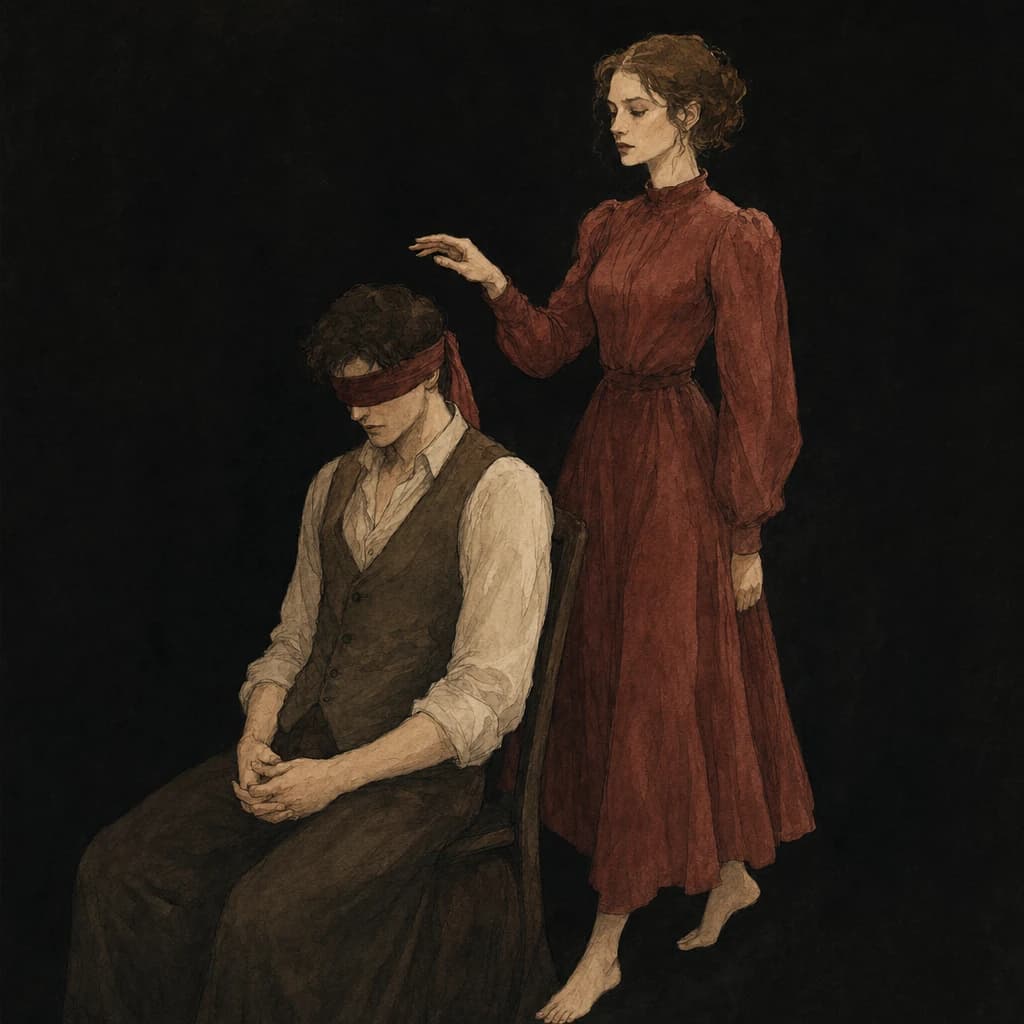
Stress and anxiety. For some people, stress kills the libido stone dead; worry and tension shut down sexual interest entirely. For others (hello), stress weirdly cranks desire up. Sex or masturbation can become the quickest way to get a hit of relief when your nervous system is buzzing. If you've had a hellish week and find yourself fantasising more than usual, that might be your brain reaching for one clean, uncomplicated good feeling. Dr. Carol Queen has talked about fantasy and solo sex as common stress outlets. If it is the only relief you can reach, pay attention.
Boredom, procrastination, and an itchy brain. Give a bored brain a gap and it will go looking for stimulation. If you're stuck at home or avoiding something tedious, your mind may wander to sex because, well, it's considerably more interesting than that spreadsheet. No shame in that. Just notice when horniness is really procrastination wearing better underwear. I speak from extensive personal experience on this one.
When life feels good. Sometimes you feel sexier for the least mysterious reason: you are happy and relaxed. On holiday, with the usual worries out of the way, the body often starts speaking up again. Joy can remove blocks you did not realise were there. New hobby, better mood, recovery after a grim patch: sometimes desire comes back with its shoes on the furniture. Annoyingly simple, really.
Loneliness or emotional longing. Humans need connection, and sometimes the body files that need under "sex" because it does not know where else to put it. You might want touch, attention, or the relief of being chosen for a while. Masturbation or casual sex may scratch part of that itch, but sometimes the actual hunger is wider: companionship, tenderness, someone looking at you properly. As Esther Perel often says, our erotic desires can contain emotional desires for feeling wanted, powerful, comforted, or free. Ask what the horniness is pointing at. Is it sensation? Is it affection, novelty, reassurance? Jack Morin puts it well in The Erotic Mind: eroticism is the interplay between sexual arousal and the mess of living and loving. Desire in emotional chaos is not automatically a malfunction.
Depression or other mental health shifts. Depression is typically associated with lowered libido, but some people experience the opposite: an increase in sexual thoughts as a way to counteract numbness. Some antidepressants flatten desire; stopping one, changing dose, or starting something like bupropion/Wellbutrin can move it the other way. Manic or hypomanic episodes in bipolar disorder can also come with a sharp increase in sexual appetite. The key thing to notice is whether your libido spikes are accompanied by other mood symptoms: racing thoughts, decreased need for sleep, impulsivity in general. If that sounds familiar, bring it up with a doctor. It may not be just horniness.
Your horniness may be pointing at your emotional life as much as your body. Journaling or simply noting patterns can help; maybe you discover "every time I have a conflict with my partner, I get incredibly turned on later," or "I'm horniest after yoga class." That kind of pattern is annoying, but useful.
Masturbation, Porn, and Horny Feedback Loops
Feed the horny part of your brain often enough and, rude as it is, it may start showing up more often. I've experienced this firsthand: periods where I've been indulging more frequently seem to wind the spring tighter rather than releasing it.
If you're getting off more often. Masturbating a lot does not use your sex drive up like minutes on an old phone contract. Often it's the opposite. Betty Dodson's old "use it or lose it" line applies here: bodies tend to respond to what we practise. Sex keeps blood moving and desire awake. Daily orgasms can train your body to wait for that rush like an impatient dog at the back door. That cycle is fine if it feels good and you still feel in charge. If the pattern bothers you, the useful question is whether frequency, timing, or emotional state changed before the libido spike.
Porn and erotic media. Brains make associations frighteningly fast. Pour porn, erotica, thirst traps, and algorithm bait into your day and, yes, sex can stay near the front of your mind. You have basically left the mental bakery door open. A 2025 study is useful, but not tidy: higher baseline desire often went with stronger reactions to erotic images, while gender, relationship status, and desire type changed the picture. Translation: cues hit some of us harder. Susie Bright has written beautifully about erotic art and dirty stories, and I am very much not here to scold anyone for enjoying them. The point is simply that heavier erotic input is a plausible explanation for a louder libido.
Fantasising and fetish discovery. Sometimes you stumble upon a new fantasy, kink, or fetish that really lights you up, and suddenly it's like a fire's been started that refuses to go out. I know this feeling intimately. When you discover something that hits you right in the gut, something you may have been suppressing or simply hadn't found yet, your libido can surge with the excitement of it. Midori and Janet W. Hardy both write about the intensity of newly uncovered desire; anyone who has found a new kink at midnight and lost three hours of sleep will understand. A new turn-on can be so absorbing you want to move into the fantasy for a bit. That is not a crisis; novelty alone may be why desire suddenly sounds louder.
Conditioning and triggers. Your body can learn filthy little routines. Always masturbate after work, and 3pm can start behaving like it has an appointment with your pants. Your body's learned a habit. If there's a particular song or scent you associate with sexy time, that alone might make you flush with desire seemingly out of nowhere. Those associations are clues, not proof that your libido is random or broken.
If you've been stimulating yourself a lot, through touch, media, or fantasy, your baseline horniness may well increase. That is not depravity; that is a responsive body. Just be conscious: if being so revved up, so often is starting to interfere with your daily life, the amount and kind of stimulation you are taking in belongs on the suspect list.
Booze, Workouts, Sleep, Food, and Medication
Before diagnosing yourself with anything dramatic, do the boring audit: booze, sleep, movement, food, meds. Start there.
A drink or three. One glass might loosen you up and make you feel hornier. Several drinks can do the opposite: numbness, erection problems, delayed orgasm, the works. If the extra horniness arrived around the same time as extra drinks, note it. A slight buzz can make desire louder; needing alcohol to feel sexual is a different matter. And consent gets complicated when intoxication is involved; that's a hard line.
After workouts. Working out does wonders for libido. Exercise boosts testosterone, releases endorphins, and makes you feel better about your body, and that combination hits hard. If you leave the gym strangely ready to climb someone like a tree, that tracks. Strength work and HIIT can leave hormones buzzing for a while. Yoga and cardio get blood moving everywhere, including the places now demanding attention. If you recently ramped up your fitness routine, your libido may simply be joining in. This is usually a positive feedback loop, though overtraining and exhaustion can actually reduce sex drive by raising cortisol.
Diet and supplements. Eating a balanced diet that supports energy and good blood flow will generally keep your sex drive humming along. Some people find aphrodisiac foods like oysters, dark chocolate, or maca root give them a boost, even if partly placebo, does it matter if the result is the same? Started a testosterone booster, fenugreek, maca, or some mysterious gym-bro capsule? Put that on the suspect list. Watch what changes after you add anything new.
Actual rest. Better sleep can wake your libido up too. Fixed your sleep after months of chaos? Do not be shocked if your body suddenly has energy for sex again. Decent sleep helps testosterone and stress levels behave themselves. Conversely, chronic sleep deprivation usually drags libido down, though some overtired people report feeling almost deliriously horny, the brain doing bizarre things when exhausted.
Medications and drugs. Medication changes can mess with sexual response:
- Antidepressants (SSRIs) are famous for flattening libido. After a dose change, stopping, or switching, desire can come back hard. Bupropion (Wellbutrin) sometimes pushes the other way.
- Hormonal contraceptives can lower libido. Stop the pill, and your own hormones may come barging back in with opinions.
- Fertility drugs: these raise hormone levels and can make you feel like a walking bundle of hormones, because, well, you are.
- Other substances: Cannabis can make some people hornier; stimulants can too, at least short term, but the downsides are real. If your recreational use has changed, include that in the timeline. With prescription meds, check the side effect sheet; "increased libido" and "decreased libido" both turn up in black and white.
One more thing, and I debated including it but honestly it's too useful not to: sometimes needing to pee can be mistaken for feeling horny. A full bladder can annoy the same neighbourhood of nerves. Chugged water? Try the bathroom before diagnosing lust. Silly, yes; common enough to mention.
High Libido or Something Else?
These experiences can look similar from the outside. Inside, they feel very different.
High libido, on its own, means you want sex or sexual release often. Maybe you wake up horny, drift into a fantasy at lunch, and fancy another orgasm before sleep. But, and this is the important bit, you still feel in control of your urges and can choose when or whether to act on them. A high sex drive is not automatically a problem. Maybe it is irritating. Maybe it is fun. Maybe it ruins your timing before lunch. If you are happy with it and nobody is being hurt, leave it be.
Intrusive sexual thoughts feel different. These are thoughts you do not want. They barge in and leave you sick, frightened, ashamed, or all three. They can arrive even when you have no desire; anxiety or OCD may be part of the picture. The giveaway is that they do not feel good. They land with a thud, and they may involve things that clash with your orientation or values. If that is happening, it does not mean the thoughts are secret wishes. Anxiety can pick the worst image in the room and slap it onto the screen. Then it treats your panic as proof. CBT, mindfulness, or an OCD-aware therapist may help you stop wrestling the thought.
Persistent Genital Arousal Disorder (PGAD) is rare, but I am naming it because it can feel frighteningly lonely. PGAD can involve tingling, swelling, or orgasm when you do not want sex. Orgasm often does not settle it. The body is in arousal mode while you are not mentally there. Common high libido is different because usually if you masturbate or have sex, you feel relief, and the arousal matches your mental interest. PGAD feels more like a physical alarm you cannot switch off. Recognise that? Speak to a healthcare provider. Pelvic physio, medication, or a nerve check may come up.
Hypersexuality or compulsive sexual behaviour goes beyond high libido. This is when sexual behaviour feels compulsive and damaging to your life, when it's actively wrecking things and you can't seem to stop. The term "sex addiction" is controversial, as Midori and many clinicians point out, it isn't recognised like a substance addiction in the DSM. "Compulsive Sexual Behaviour Disorder" is the more useful phrase when urges feel as if they are driving the car. Think: cheating despite genuinely not wanting to, masturbating to the point of injury or missed obligations, spending ruinous money on sexual activity. This is not common, but it is real. Sex therapists like Ian Kerner emphasise a non-shaming approach, focusing on underlying issues, often anxiety, trauma, or impulse control disorders, rather than slapping on a label.
Someone else's "too much" may be your ordinary Tuesday. Your threshold is your threshold. Missing work because you can't pull away from porn? Feeling disgusted after another hookup you didn't actually want? Take that seriously.
Try the blunt test: Do I like this, or am I miserable? Am I steering? Frequency is less important than that.
What Bad Timing Can Tell You
Badly timed arousal can still be useful information. Note when it barges in. Before sleep? After the gym? Halfway through work stress? After opening one particular app? When you're lonely and under-stimulated? One random urge may mean nothing. If the pattern keeps happening, look at the usual suspects: body rhythm, mood, habit, erotic input, medication, relationship context.
Use the least glamorous tool possible: a phone note. Time, place, intensity, and whether it felt good, unwanted, compulsive, or physically odd. That distinction matters. Flirting turning you on is one thing. Genital arousal without desire, or feeling driven to do things you regret, is another. The pattern tells you which pile you are in.
Handling a Libido Mismatch with a Partner
One of the trickier situations that comes with a high libido is when your desire doesn't match your partner's. You want it daily; they're happy with once a week. This can turn into rejection, guilt, resentment, or sulking if nobody says the honest thing. I have seen it handled well and handled disastrously; the difference is usually whether people talk before they are already furious.
No one's "wrong" for their level of desire. Actually let that land before you open your mouth to your partner. You're not a "sex maniac" for wanting more, and your partner isn't "withholding" for wanting less. Desire gaps are ordinary in couples. Tristan Taormino treats this as part of long-term sex, not some rare relationship defect. Tackle the mismatch together; don't turn it into a trial.
Have the awkward conversation. Talk about it outside the bedroom. On a walk, over coffee, somewhere that doesn't feel loaded. Try something plain: "I've been much hornier lately, and I don't want that to feel like pressure. Can we talk about it?" Add the reassurance out loud. You love them. You want them. You are not setting an exam they can fail. Desire gaps make people invent ugly stories: one feels like a failure, the other like a burden. Get that said before resentment starts inventing motives.
Find the workable middle. Some practical ideas that actually work:
- Scheduling sex. It sounds unromantic until you remember that adults schedule nearly everything they care about. Esther Perel often talks about anticipation; planned sex can build that delicious before. A date in the diary can soothe the horny person's panic and give the other person time to warm up. Think dinner reservation, not dentist appointment.

- Quickies vs longer sessions. Not every encounter has to be a three-act production. Maybe your partner is perfectly happy with more frequent short connections, a passionate ten-minute session or mutual masturbation, even if they don't want the full evening every time.
- Non-sexual affection. Sometimes the higher-libido partner wants closeness as much as sex. Cuddles, kisses, and touch that is not trying to become intercourse can help everyone stop bracing. When the pressure drops, desire sometimes wanders back in.
- Solo play as a legitimate outlet. Masturbation can belong inside a relationship. Remind each other that solo pleasure is not competition. If you need release and your partner doesn't, sorting yourself out can be kinder than trying to make them match you. For some couples, "I'll take care of myself tonight, love" is care for the relationship, not rejection.
- Explore new things together. Sometimes libido differences shrink when sex becomes novel or exciting for both partners. Try something different: a new position, a toy, light BDSM if you're curious (educators like Midori and Lee Harrington have excellent beginner resources). By reinventing your erotic script, the less interested partner might discover sparks they hadn't expected.
Avoid pressure or guilt-tripping. Nothing, and I mean nothing, kills desire faster than feeling obligated. If you're the horny one, do not hound your partner. If you're the less interested one, try not to throw "all you ever want is sex" like a brick. Put the mismatch on the table, not between you like a wall.
This is not just good manners. In interviews with young women dealing with diminished desire, pressure, crossed boundaries, and avoiding hard conversations often made shame and distance worse, not better. Nobody's desire improves from feeling cornered.
If it still hurts, get help. If mismatched libidos are causing serious conflict despite real effort from both sides, a couples counsellor or sex therapist can make a world of difference. They provide a neutral space to explore what's really going on: fear of intimacy, past trauma, hormonal issues can all hide beneath desire differences. Bringing in help is not embarrassing. Letting the same fight rot for years is worse.
Meet a mismatch with curiosity before resentment. Even saying "we're a bit out of sync right now" can stop the silence becoming its own problem.
When Horniness May Be Worth Discussing with a Professional
High libido is usually normal, and I stand by that. But how do you know if your level of horny is drifting into territory worth getting professional guidance for? Here are some real warning signs.
It feels uncontrollable or compulsive. If you consistently feel unable to manage your sexual urges, like you must watch porn or masturbate a certain number of times a day, even when you don't want to, and you've tried to cut back but can't, that's worth paying attention to. The question is: who's in charge here, me or my libido? If it's the latter most of the time, a therapist, particularly a sex-positive one familiar with treating compulsive sexual behaviour without shame, can offer strategies and perspective.
It's causing you real distress or shame. Maybe you are not acting compulsively at all; maybe you are simply exhausted by how much space sexual thoughts take up. That can hit harder when the thoughts clash with your values or self-image. Some people carry a thick layer of shame about being "too sexual." Trauma survivors can be frightened by hypersexual responses too, even when those responses were not chosen. If the shame is sliding into anxiety, depression, or self-disgust, tell someone qualified. Sex therapists like Jack Morin have written extensively about how understanding your own erotic mind can turn that distress into something that actually makes sense, and eventually, into peace with yourself.
It's interfering with daily functioning. Chronically late because of morning masturbation marathons? Unable to concentrate on work because sexual daydreams hijack your focus all day? Missing deadlines, cancelling plans? If your sex drive is getting in the way of living your life, it's a sign to get some support, and doing it with professional guidance makes it easier to stick to.
You're engaging in risky or harmful behaviour. Take this one seriously. If horniness is steering you toward unsafe sex you regret, cheating you genuinely do not want, spending money you cannot afford, or trampling consent and boundaries, seek professional help. Other people can be hurt here too. Do not wait for the explosion. No judgement, but this one's urgent.
Abrupt extreme change with other symptoms. If your normally moderate libido suddenly skyrocketed alongside other worrying symptoms, insomnia, racing thoughts, grandiose ideas (possible mania), agitation, confusion, or pain, see a doctor. It could be a thyroid issue, a medication reaction, or a mental health episode. Undiagnosed bipolar disorder sometimes first presents as impulsive hypersexuality. A pituitary tumour (rare, but it happens) can boost hormones drastically. Rule out the medical stuff with proper testing.
You just feel you need guidance. You do not have to wait for crisis. Maybe you don't know how to discuss this with a partner. Maybe nobody ever modelled healthy sexuality for you. One session with a sexologist can be enough to make the whole thing feel less monstrous. There's no entry requirement.
Who to reach out to? If you can, choose a licensed therapist who understands sexuality or is openly sex-positive. Shame from a therapist is a red flag; leave. If this looks physical, hormones, medication, pain, body changes, start with a GP. Mindfulness or yoga can help some people practise sitting with an urge without immediately doing what it says. For desire-related distress, a recent review put the best direct evidence behind mindfulness-based approaches. Hypnotherapy may be interesting; it is much less tested.
Seeking help isn't an admission of being "perverted" or broken. As kink educator Mollena Williams-Haas has said, and it applies broadly, "Whatever your craving is, you're not the only one, and there are healthy ways to integrate it." The same goes for craving a lot of sex.
Don't Forget the Rest of You
When desire surges, it can swallow the whole room. But you are not just a libido wearing shoes. Feed other parts of yourself too: read something, see friends, make something with your hands. Often, people who fill their lives with things they care about find that sexual urges stop dominating every free moment. Funny how that works.
Try not to make yourself the enemy. Exploration is rarely tidy, especially sexual exploration. It can be awkward, hot, frightening, funny, and revealing. None of that makes you less whole.
Where This Leaves You
There is rarely one neat answer here. The work is not to become less sexual by force. It is to understand your desire well enough that it stops frightening you. Maybe it is ovulation. Maybe it is new-relationship madness. Maybe it is stress with its hand on the volume knob. Once you can say, "ah, right, that makes sense," the whole thing feels less like a personal failing.
When the timing's right, enjoy it. As Betty Dodson would say: celebrate with an orgasm if you want; it's healthy, stress-relieving, and you deserve pleasure.
If your high libido involves a partner, say the honest thing kindly before resentment starts writing the script. Consent always comes first. And if it ever tips from "this is a lot" into "this is controlling my life", out-of-control feelings, distress, risky behaviour, talk to a professional. Not because you are broken. Because you deserve help before it gets worse.
Try honesty first and shame last. If you get inexplicably turned on in the cereal aisle of Tesco, laugh a little. It genuinely helps.
You are normal. You are okay. Find your balance without pouring shame all over the fire.
References & Further Reading: Jack Morin's The Erotic Mind for confusing fantasies. Emily Nagoski's Come As You Are for desire differences and brakes/accelerators. Dossie Easton & Janet Hardy for sex-positive, kink-aware thinking. OMGYes for practical pleasure education. Still worried? Book time with a certified sex educator or therapist.