BDSM Room Setup: Complete Sex Dungeon Guide

Creating a sex dungeon or BDSM playroom can be an exciting project in intimacy and self-expression. It's basically your own sanctuary where you and your partner(s) step away from regular life and into something more erotic. A change of scenery at home can reignite passion, and a dedicated BDSM space gives you exactly that; somewhere designed specifically for sensory exploration, power exchange, and living out fantasies. In this guide, we'll walk through BDSM room ideas for every space and budget, design essentials, layout planning, and how to DIY or convert spaces in your home. For those ready to build their own equipment, our DIY BDSM furniture projects guide offers detailed plans for spanking benches, crosses, and more. The goal is to help you create your perfect play space... whether that's a subtle sexy nook in your bedroom or a full-fledged dungeon chamber.
Ultimately, there's no one-size-fits-all blueprint for a sex dungeon; it's about what turns you on. So let's start with some broad ideas for different spaces and budgets, to show that anyone can create a bit of dungeon magic... whether you have a sprawling basement or a studio apartment.
Ready to fill your new play space with exciting activities? The BeMoreKinky app provides over 850 BDSM activities including bondage techniques (25+ beginner activities), sensory play ideas (8+ temperature activities), impact play positions (31+ activities), and fantasy roleplay scenarios (25+ power dynamic scenes) to help you explore everything your dungeon has to offer.
BDSM Bedroom Ideas for Every Space and Budget
Not everyone has a hidden cellar or spare room to dedicate as a full-time BDSM chamber. But that's okay; with a little creativity, you can transform a standard bedroom (or even a corner of your living space) into an enticing BDSM bedroom play zone. Here are some ideas to accommodate various spaces and budgets:
-
Work with what you have. You don't need a medieval castle dungeon set to have great kink sessions. In big city apartments, nobody expects you to have the floor-to-ceiling dungeon setup seen in movies. Seasoned players often make do with basic furniture and household items. "Lots of BDSM furniture is highly expensive and not required," notes pro-dominatrix Mistress Lucy Sweetkill; her personal bed is from Ikea, but it works just fine for tying people up.
The essential ingredients are sturdy attachment points (bedposts, headboard slats, a heavy table, or even an overhead beam or exposed pipe) and your favorite basic toys (rope, cuffs, a flogger, etc.). For example, an inexpensive metal bed frame with bars or a solid wood headboard can serve as a bondage anchor in a pinch. Even a simple doorway pull-up bar or a hanging hook in a closet can support light bondage with handcuffs or rope (just always check weight limits and stability).
-
Start small and dual-purpose. Short on space? Look for stuff that's easy to store or does double-duty in regular life. Exercise equipment makes great kink equipment, for instance. One Reddit-famous dominatrix, Sandra LeMorgese, raves about perverting gym gear: "Jump ropes can be used for rope play. Dumbbells can serve as anchors for restraints. Workout benches are perfect for bondage… If you have anything like a Bowflex machine... be still, my heart; the opportunities are pretty much endless."
That means your existing yoga mat, workout bench, or pull-up bar could double as BDSM props with a bit of imagination. Likewise, consider investing in discreet under-bed restraint straps: these slide under your mattress and have cuffs that can be pulled out when it's playtime and hidden when it's not. Many kinky folks also swear by versatile soft furnishings; liberator wedges or sex pillows can blend into your bedding but provide great support for different positions.
-
Budget-friendly pervertibles. Pervertibles are everyday objects repurposed for kinky uses. As educator Midori often teaches, it's not about fancy gear, it's about needs and desires; a homemade solution that works for you is just as legitimate as a pricey toy. Kitchen spatulas, wooden spoons, neckties, belt straps, clothespins, ice cubes: all of these can be kinky tools and cost next to nothing.
Visit a hardware store with kinky eyes: that bundle of rope, those carabiner clips, or paint stir sticks might be all you need to MacGyver a hot scene. For bondage on a budget, rope is your best friend; 30 feet of smooth nylon or cotton rope is inexpensive and incredibly versatile, from tying wrists to creating an impromptu harness. You can also modify existing furniture: place a pillow over an ottoman or low table and voila, it's a spanking bench.
Drill some screw-in D-rings ($2 at the hardware store) into a solid wood chair or bedframe, and you have instant tie-down points. One kinkster suggests installing small metal rings on each corner of your bed frame; "when you play, these rings make perfect restraint anchors for arms and legs. When you're not playing, they just disappear under the bedspread." Discreet and cheap!
-
Upgrades when budget allows. Got some money to spend and want more specialized gear? Start with one or two key pieces that really excite you and fit your space. A quality leather flogger or riding crop might run you $50-$150 but lasts years if you take care of it. A collapsible sex swing that hangs over a door or from a beam can be a thrilling addition (just make sure your door frame or ceiling can support the load).
Those with limited floor space might invest in a folding spanking bench or a portable saint andrew's cross that can be disassembled and stored under a bed. There are even makers on Etsy who craft dual-use bondage furniture, like coffee tables that convert to stocks, or stylish ottomans that open to reveal a kink toolkit. The same goes for sex machines: the compact, suction-mounted sex machine we reviewed packs away into its own carry case instead of needing a frame.
Remember, though, an expensive piece of dungeon furniture won't automatically make a scene sexy; it's how you use it. A DIY bench can deliver as much pleasure as a $1000 custom one, so long as it's safe and used with imagination. As Midori would say, if a high-tech toy or elaborate setup isn't actually turning you both on, what's the point? Focus on the items that genuinely add to your experience.
No matter your budget, the most important "tools" you bring into your BDSM bedroom are your mindset and communication. Talk with your partner about what kind of ambience excites you. Maybe low red lighting and moody music get you in the mood, or perhaps you prefer bright clinical light for a "doctor/patient" scene. These tweaks cost little but pay off hugely in setting the stage.
In short: don't let limited funds or space limit your kink. A small studio apartment can host intense, creative BDSM scenes; it's all about working with what you've got and thinking outside the box (or inside the box, if you're into confinement play!). In the next section, we'll look at the design elements and essentials that apply to any good play space, big or small.
Bondage Room Design and Essential Elements
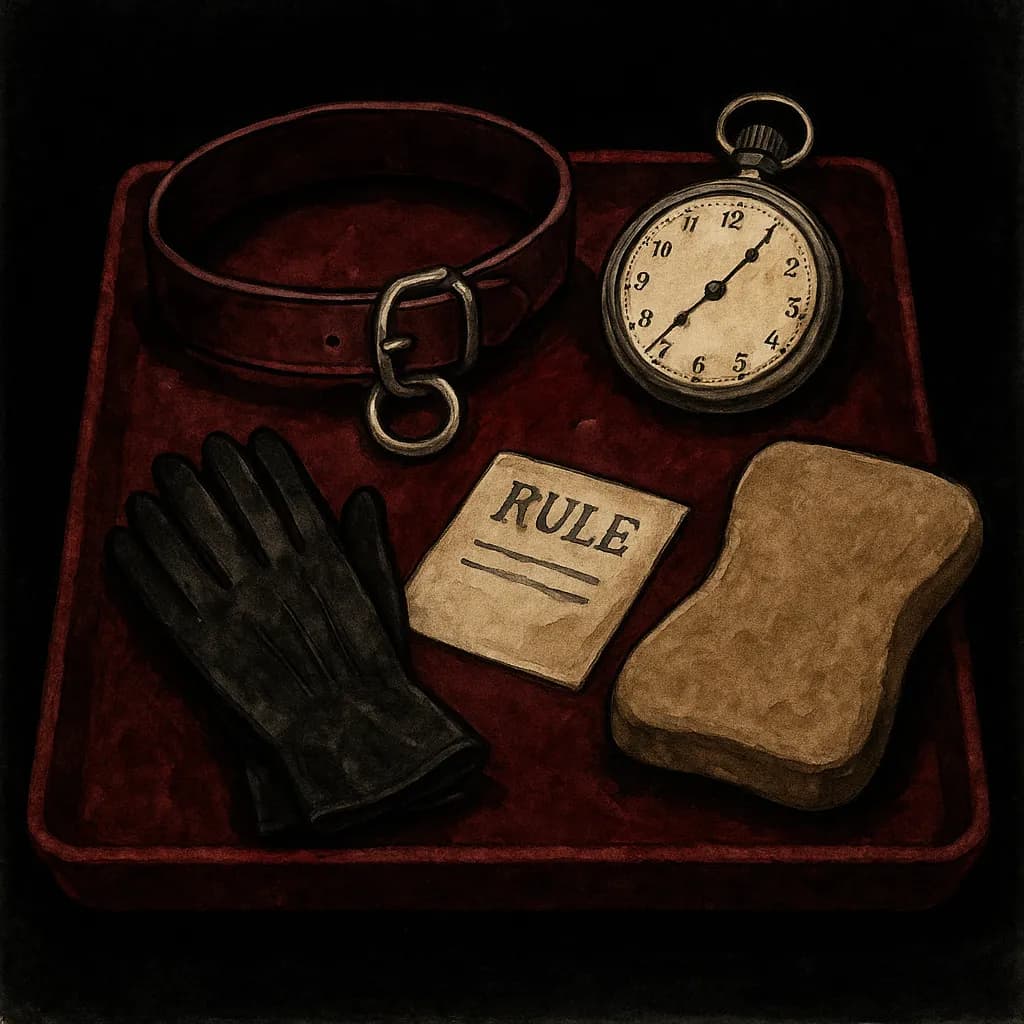
What turns a regular room into a memorable bondage room or dungeon isn't just the gear; it's the overall design and attention to detail that make the space inviting, functional, and safe. Whether you're converting a spare bedroom or outfitting a custom basement playroom, consider these essential elements of BDSM room design:
-
Privacy and sound control: First thing; make sure your play space is private, both visually and audibly. Thick blackout curtains or noise-dampening shades are a must if you have windows for maintaining privacy. They serve a double purpose: keeping prying eyes out and creating a darker, insulated atmosphere inside.
Thin walls or shared walls in an apartment? Do some basic soundproofing. Soft surfaces absorb sound... heavy drapes, wall hangings, or even padded panels on the walls help a lot. Throwing down a thick area rug (with a cushy rug-pad underneath) not only makes it nicer if someone falls to their knees, it also muffles noise on hardwood or tile floors.
For doors, adding weather stripping or stick-on foam around the frame can help seal in sound (and as a bonus, it gives you a little extra psychological sense of "sealing off" the scene). If you're going all out, you can look into true soundproofing methods like special acoustic drywall or window inserts, but for most home dungeons heavy fabrics and strategic padding do pretty well. The bottom line: ensure when the dungeon door closes, you both feel safely shut into your own world; free to make whatever noises you want.
-
Lighting and atmosphere: The way you light your BDSM room can completely change its vibe. Ideally, plan for adjustable lighting... you might want bright light for intricate rope bondage work or a medical scene, but dim, sultry lighting for a sensual scene. A simple solution is installing a dimmer switch on the main lights (make sure to use dimmable bulbs). Many kink enthusiasts love using colored lighting: for example, swapping in red or purple LED bulbs, or using smart bulbs that can change hue with an app. These can bathe the room in an erotic glow and instantly signal "scene time." One clever trick: use colored bulb covers or silicone caps (like the brand "Moodies") that slip over regular bulbs to give them a red tint, they're cheap and even protect bulbs from bumps.
-
Furniture and layout: Decide on the main play zones and furniture in the room. Common pieces might be a sturdy bed or table, a spanking bench or kneeling bench, a standing support like a St. Andrew's cross or bondage post, maybe a suspension point overhead. Our comprehensive BDSM furniture guide covers beds, cages, benches, and tables in detail to help you choose the right pieces.
You don't need all of these; think about what activities you actually enjoy most. If you love impact play (flogging, spanking), you'll need enough open space to swing your arm without hitting a lamp or wall, so arrange furniture to allow a clear area for standing and movement.
If you're into tying someone to the bed, ensure the bed is strong (bolted frames over flimsy ones) and perhaps move it slightly away from walls so you can walk all around it to tease all sides of your partner. Multiple use furniture can save space; for instance, a low ottoman with padding can serve as a spanking bench, or an inclined liberator pillow on a bench can mimic a bondage chair.
-
Hard points. Some folks install eye bolts or anchor points in ceiling joists or wall studs for attaching ropes; this can be great for upright bondage or tie-back points. If you do, get hardware specifically rated for load-bearing (climbing anchors, heavy-duty eye screws) and follow weight guidelines. Attaching a hook to an unknown part of the ceiling or a weak drywall could lead to a dangerous collapse.
As Mistress Sweetkill advises, know your walls: "Suspension is the one thing not all places can handle if you don't know what's a real wall... Hooks or a suspension bar could end up seriously damaging your apartment; not to mention you or your partner -- if your rig rips out." In small or rented spaces, she suggests using freestanding suspension rigs instead of drilling into ceilings. These are metal frame structures designed to handle full body weight and can be disassembled when not in use.
If that's too large an investment, you can still do floor-based rope scenes or partial suspensions using furniture as support. In any layout, prioritize clear pathways so the top can move freely and the bottom isn't likely to trip if blindfolded. And include a comfortable area for aftercare... maybe a cozy corner with soft blankets and pillows, or simply the bed, ready for when you both collapse in a heap of endorphins.
-
Storage and organization: BDSM play tends to involve a lot of toys and tools. Floggers, ropes, vibrators, straps, you name it. Keeping them organized makes your room look nicer (less clutter = more scene focus), and makes for smoother scenes when you can quickly find what you need. A lockable toy chest or trunk is classic, or open shelving with bins if you don't need to hide it. Pro tip from small-space dommes: use decorative storage that blends with your room's look, so that when it's "vanilla time" the gear isn't screaming for attention.
-
Safety measures: A well-designed BDSM room should be reasonably prepared for mishaps. Before any scene, review our safe words guide and BDSM boundaries guide to establish clear communication protocols. Keep a first aid kit in the room or very nearby... basics for minor injuries (bandages, antiseptic) plus trauma shears (for cutting rope or clothing off quick in an emergency). If you do rope bondage, have those safety scissors visibly on hand, gives peace of mind to both of you.
Also consider emergency essentials: a fire extinguisher if you use candles or fire, a bottle of water (for hydration or extinguishing flames or cleaning up spills), and a spare key for any locking cuffs (or bolt cutters if it's a padlock) kept somewhere accessible. Jay Wiseman, who literally wrote the book on BDSM safety, emphasizes that being ready to handle emergencies; whether it's a fainting incident, a panic attack, or something breaking -- is part of responsible play.
-
Cleanability: BDSM play can get messy. Wax drips, lubes and bodily fluids might find their way onto surfaces. When choosing materials or furniture, think about how easy it is to clean. Leather and vinyl are popular for upholstery cause they wipe down easily and don't absorb fluids.
If you're outfitting a dedicated dungeon room, you might opt for waterproof covers on mattresses or pillows, and removeable fabric covers that can be tossed in the wash. One interior designer who builds erotic playrooms noted they picked fabrics with washable ratings and easy-clean surfaces so the clients "could focus on fun, not stains".
Having a throw sheet or plastic drop-cloth to put down for particularly messy scenes (like sploshing food play or painting, or flogging till blood) is a wise move; rather protect that carpet/sofa in advance than regret it later. Also, store a hamper or plastic bag in the room for quickly stashing any soiled linens or toys post-play, so you can deal with it afterwards and not interrupt the afterglow.
With these design fundamentals in place -- privacy, atmosphere, layout, organization, safety, cleanliness -- your bondage room will be not only enticing to step into, but also comfortable to play in and responsible in the long run. Next up, we'll talk about planning the layout and choosing the right space for your dungeon (whether that's a dedicated chamber or your bedroom doing double-duty).
How to plan your Sex Dungeon's layout
Designing a sex dungeon room is kinda like stage directing a play; you wanna arrange the "set" so the action can flow naturally. Planning your layout in advance helps you get the most out of whatever space you have. Here are some key planning and layout tips:
-
Define your "stage areas": Think about the different activities or scenes you want to accommodate. Common zones might include a bondage/impact area (for flogging, spanking, wrestling, etc.), a relaxation or aftercare spot, a standing corner or wall for upright play, and maybe a storage corner. In a larger room you can physically separate these (eg. spanking bench on one side, cuddle couch on the other). In a smaller room, one area might serve multiple purposes (the bed might be for bondage and aftercare).
-
Balance accessibility and disguise: If your dungeon room doubles as a normal room (say, it's a bedroom or home office by day), you might plan the layout with an eye toward easy setup and takedown. For instance, maybe your spanking bench folds and lives in a closet except when needed, so you'll leave a clear space in the center of the room to bring it out.
Or you arrange your sofa in front of a bookshelf that actually hides a wall hook, you can quickly move the sofa aside to expose your tie point when it's playtime. Ideally, the layout lets you convert from vanilla to dungeon mode in a few minutes. Many kinksters use rolling furniture (add caster wheels to your DIY pieces!) to whisk them in or out of position.
-
Entrances, exits, and flow: In planning the room, account for the door swing and any other entries. You don't want to trap yourselves (unless that's the intent!) or have to awkwardly climb over furniture to answer an unexpected knock. Ideally, keep the area near the door clear and accessible.
Some dungeon aficionados even create a little "transition zone" by the entrance; for example, a small table where you place phones (to disconnect from the outside world), or a hook where a collar or symbol hangs which gets put on at the start of play. This signals that upon entering this space, you're entering a scene.
If you like pomp and ritual, you could have a curtain inside the door that the bottom must kneel and wait by, or a specific spot they go to first (like an "inspection" area marked by a floor pillow where they present themselves). These are theatrical touches, but layout-wise it means leaving a bit of open space by the entrance for that ritual.
-
Personal touches: Finally, as you plan layout, include personal decorative touches that inspire you. This might not seem "layout," but where you put your decor can influence the feel. Maybe you hang your favorite kinky artwork on the wall that faces the submissive when they're tied to the cross, giving them something hot to focus on. Or you frame and display your BDSM community posters, event badges, or collar collection on a shelf that the Dominant sees, reminding them of their proud identity.
One couple painted one wall deep red and mounted a pair of crossed riding crops on it as a pseudo "coat of arms" for their dungeon, facing the bed so it's one of the last things they see before blindfold goes on. Little things like this make the space truly yours. It could be as sweet as placing stuffed animals in an age-play corner, or as intense as writing a favorite motto on the wall ("To enter is to submit," one dungeon motto read). Part of layout planning is deciding where these thematic elements live so they're noticeable but not in the way.
BDSM CHAMBER VS BEDROOM: CHOOSING YOUR PLAY SPACE
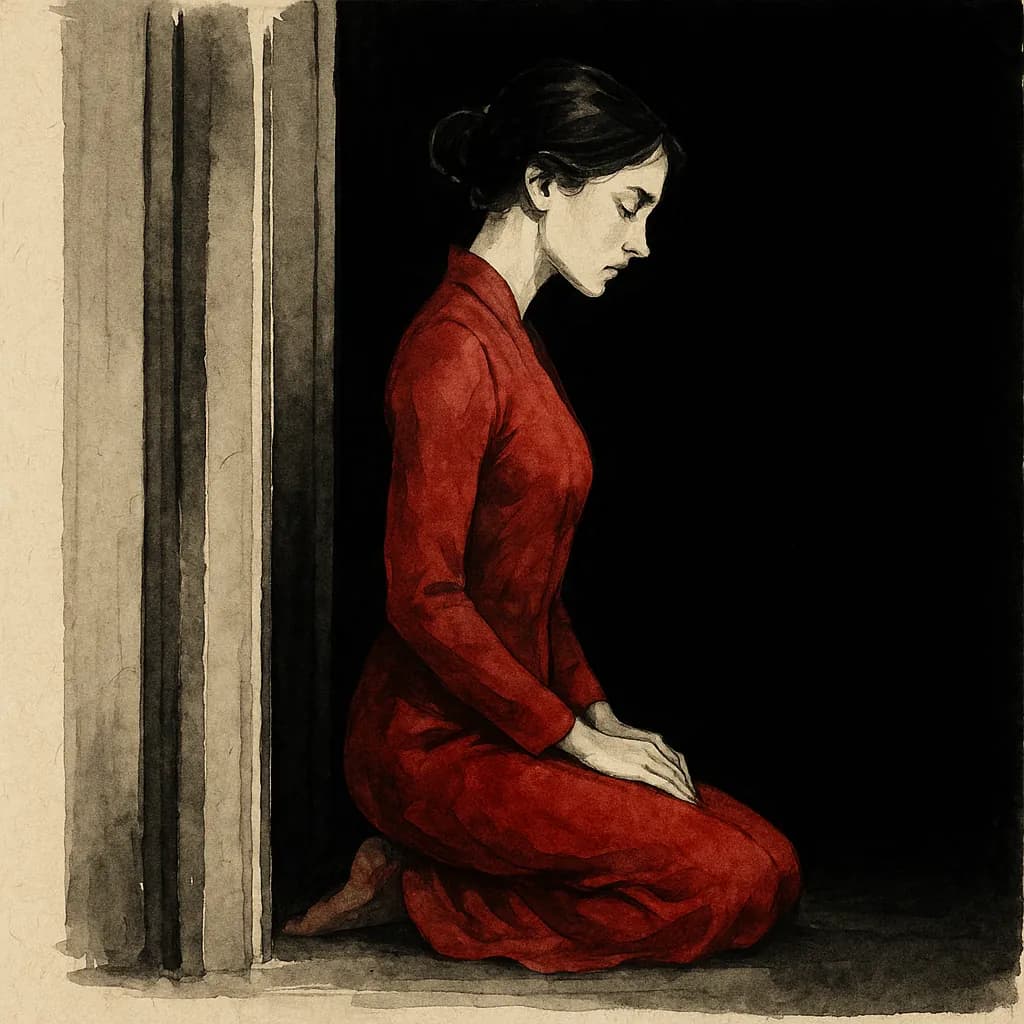
Should you set up a dedicated BDSM chamber (a room used only or primarily for play), or integrate your kink space into your regular bedroom? This choice depends on your living situation, privacy needs, and how immersive you want the experience. Let's compare and consider which play space is right for you:
-
Dedicated dungeon room advantages: If you have an extra room, basement, or attic you can convert into a sex room, it offers the luxury of leaving your setup intact. A separate BDSM chamber can be decorated and equipped without regard for "vanilla" appearances or daily convenience; it's your erotic enclave. You won't need to hide your toys when company comes over (because the room itself can remain locked and private). You can also indulge in more heavy-duty installations.
-
Dedicated dungeon considerations: On the flip side, a standalone dungeon requires that you have that extra space to sacrifice. Not everyone can do that, especially if you have roommates, kids, or a small home. There's also a subtle trap of a dedicated dungeon... if it's out of sight, you might use it less often. Some people build elaborate home dungeons only to find they rarely go in there because it feels distant from everyday intimacy or it requires planning to "head to the dungeon."
-
Bedroom dungeon advantages: Turning your bedroom into a BDSM-friendly space has the advantage of practicality. Your bed is likely already the site of intimate activity, so why not optimize it for kink? You're also in a space that's meant for comfort and rest, which can enhance aftercare (imagine not having to move a exhausted, floaty partner out of a cold basement up to the bedroom... you're already in the cozy zone).
For many, the bedroom is the most private room, often with a lock on the door, making it a logical choice if you share housing. You can integrate dungeon elements subtly; attach under-mattress restraint straps, keep your floggers in the nightstand, store cuffs under the bed, maybe have a chest at the foot of the bed that houses toys.
-
Bedroom dungeon considerations: The challenge with a bedroom is maintaining the balance between your erotic theater and your everyday life. Some people find it hard to fully "let go" if they're surrounded by laundry piles, family photos, or that pile of bills on the dresser. If that's the case, do a bit of curation: perhaps have a cabinet or closet where all the mundane stuff goes out of sight during play, and perhaps bring out a few decor items that shift the vibe. It can be as easy as having a "scene blanket" you throw over the bed to signify we're in kink mode now
Sex Dungeon Ideas for Every Fantasy

One of the joys of having a personal sex dungeon or playroom is customizing it to fit your favorite fantasies. Do you daydream about being a strict headmistress disciplining a student? Maybe you wanna unleash your inner animal, or recreate a medical exam gone wild? Whatever your erotic theme, you can tailor your sex dungeon ideas to bring those fantasies to life. Here are some concepts for different fantasy scenarios and how to incorporate them into your room:
-
Authority and discipline fantasies: If you love teacher/student, boss/employee, drill sergeant/cadet or other power dynamic role-plays, consider adding a few props to sell the story. A simple wooden desk and chair in the corner can serve as the "principal's office" or "headmaster's study." Keep a ruler or paddle visibly on the desk for effect. Hang a chalkboard or whiteboard on the wall with some provocative "punishments" scribbled (even if it's just for show). You could even frame a few certificates or maps to emulate a classroom or office vibe.
-
Medical & clinical play: For those into doctor/nurse or medical exam fantasies, a few key additions can transform your room. An actual medical exam table is a luxury (they sometimes show up used for sale, but they're bulky!). Alternatively, a simple massage table or portable therapy table works well, cover it with a white sheet or crunching exam table paper for effect. Have a tray or rolling cart with medical props: latex gloves, (play) syringes without needles, stethoscope, tongue depressors, some cotton balls in a jar; it's more about the mind game than real medicine. Bright, sterile-looking lighting sells the clinic vibe; an adjustable desk lamp or photography lamp can mimic the examination light (you can angle it dramatically at the "patient").
-
Pet play and animal role-play: For those who enjoy puppy play, pony play, kitten play, etc., creating a pet-friendly area in your dungeon can be so much fun.

A common addition is a pet cage or kennel. You can purchase a large dog crate (big enough for a human to crawl into, often sold for large dogs) and line it with cushions or an old dog bed. This gives the human-"pet" a cozy, in-character spot. Some people even put a name tag on the crate or a bowl with the pet's name.
If a full crate is too much, have a corner that's "pet space": put a soft rug or mat on the floor, maybe some plush toys or chew toys (safe for humans), and a collar + leash hanging on the wall. During scenes, the "pet" might be led to that area to stay. Your bondage room design can incorporate pet play easily by including a low anchor point near the floor (to attach a leash or tie someone on all fours).
-
Age play and regression fantasies: If you or your partner engage in "little" space or age-regression play (like adult baby scenarios, teen schoolboy/girl, etc.), your dungeon might include some childlike touches. This can be tricky to balance cause you might not want your whole room looking like a nursery (especially if that's not your only kink).
Small, storable props work well though; a plush stuffed animal collection on a shelf that can be pulled out during scenes, coloring books and crayons in a drawer for a little to color on the floor, maybe a childish poster (unicorns? superheroes?) you can tape up temporarily to set the mood. If playing a strict nanny or parent role, perhaps have a vintage wooden hairbrush on the dresser (for "spankings") and a corner designated as the "time-out corner." One person shared a lovely scenario where for a birthday age-play scene, they created a "seven-year-old's" space by simply sitting the bottom on their lap in a rocking chair and reading a story.
-
Gender bending and sissification: If your fantasy is around gender play; cross-dressing, sissy maid training, feminization/masculinization, then focus on a space for dressing up and presentation. A full-length mirror is essential so the transformed party can see themselves.
Set up a vanity or dresser top with makeup, wigs, accessories if those will be used. Some dominants create a "sissy wardrobe" in the dungeon: a hanging rack or armoire containing all the frilly outfits, high heels, stockings, etc., that the sub will wear. This can be very exciting visually and ritualistically (e.g. opening the closet to reveal the feminizing clothes). Even if space is small, a dedicated drawer or box with these items can be part of the ceremony.
-
objectification: .or objectification (like turning your partner into a human furniture or decor), you can incorporate fixtures that accommodate that. A simple example: have a small end table that a submissive could crouch under and support with their back (perhaps during a high-protocol scene, the sub "becomes" the table holding your drink). Or use a sturdy low coffee table and place cushions on it; the sub lies on it as a "human platter" for food play or just to be displayed. If it's a decorative object scenario (like being a statue or lamp), consider how the room can highlight them: maybe a pedestal (a DIY wooden box works) in the corner where they stand, or an empty alcove that becomes their display nook.
-
For sensory deprivation, you'll rely less on decor and more on tools (blindfolds, hoods, earmuffs), but the room can still help. A completely dark-capable room, for instance, enhances a blindfold scene (with no stray light leaking in). If you have a closet, you could pad it and use it as a sensory deprivation chamber for short periods (just ensure ventilation!).
Some advanced spaces include an actual isolation box or cabinet; if you have the DIY skills, a padded box that fits a person can be an extreme but effective piece of dungeon furniture for this purpose. Even without that, think minimalism: a section of the room free of stimuli, maybe all in black, where you lead the blindfolded partner to stand or sit while depriving senses.
Soundproofing we discussed will also help here; the quieter the room can get, the more intense sensory deprivation feels. Also, consider temperature play if you like: have a fan or heater to subtly change the environment on the deprived subject to evoke reactions.
-
Rough and non-consensual role-play: Fantasies of capture, interrogation, "rape play," or kidnapping are common but very edgy. They require immense trust and clarity between partners. If you plan to act out a "resistance" or non-consent scene, design your space to support it safely.
For a kidnap scenario, you might simulate parts of it: perhaps start in a different room for the "grab" then drag the partner to the "dungeon" which serves as the holding cell. In your dungeon you could have fixtures like anchor points on the floor or wall where a victim would be chained. An old metal bed frame or even a section of chain-link fence can set a grim tone if you want that aesthetic. Some people go as far as to install a lock on the outside of the door or bars on a closet to resemble a cell.
These are just a few fantasy-driven sex dungeon ideas. The common thread is creativity: identify the symbols and settings that resonate with your erotic imagination, and integrate them into your room. If you have the space but not the fantasy yet, our list of kinks and fetishes can help you decide what the room should make possible. BDSM experts like Tristan Taormino often emphasize that communicating your fantasies clearly with your partner is how you make them reality, so use your dungeon setup as part of that communication.
Final Thoughts: Creating a BDSM room or sex dungeon in your home is ultimately about crafting a space that invites desire, play, and trust. Whether your style is soft and luxurious or dark and dramatic, whether your budget is shoestring or lavish, remember that at the core, it's the connection between partners and the intentional use of the space that make it powerful. BDSM educator Tristan Taormino has said that BDSM is about "communication, creativity, and breaking the routine", and building your own dungeon is a perfect embodiment of that. You're literally breaking the mold of a normal room and reshaping it to fit your intimate world.
Most importantly, once your BDSM room is set up, enjoy it. Fill it with laughter as well as moans, with learning moments and triumphs. One day you'll look around at the equipment, the lighting, the scuff marks from wild nights, and realize this once empty (or vanilla) space is now heavy with memories and meaning.
So go forth and create your perfect play space. Once your dungeon is ready, stock it with essential bondage equipment and consider adding sensory play tools like blindfolds to enhance your scenes. May your ropes be strong, your walls soundproof, and your imagination unfettered. Happy building, and happy playing!